

Stage 1 — Aggregate preparation
Quarried stone is crushed to size, washed to remove fines and clay, and screened to a tight gradation envelope. Consistent aggregate is the foundation of a workable, durable cold mix.
Stage 2 — Binder blending
Bitumen is heated in a controlled vessel and dosed with polymer modifiers, surfactants and water (for emulsions) or solvents (for cutbacks). The blend is held at a target viscosity ready for mixing.
Stage 3 — Mixing
The graded aggregate and binder are combined in a pug mill or continuous mixer at ambient temperature until every particle is uniformly coated. Mix time is critical: too short leaves dry aggregate, too long can break the emulsion prematurely.
Stage 4 — Packaging
The finished cold mix is filled into sealed plastic-lined bags or bulk bags. The seal stops moisture loss or premature curing, giving the product a typical shelf life of 12 months at ambient temperature.
Stage 5 — Quality control
- Marshall stability and flow on cured cores
- Coating tests to confirm complete aggregate coverage
- Workability tests across a temperature range
- Shelf-life tests on sealed bags at elevated temperature
Energy footprint
Because nothing is heated above ambient on the mix line, cold mix production uses a fraction of the energy of hot mix manufacture. There is no continuous burner, no drying drum and no hot storage silo.
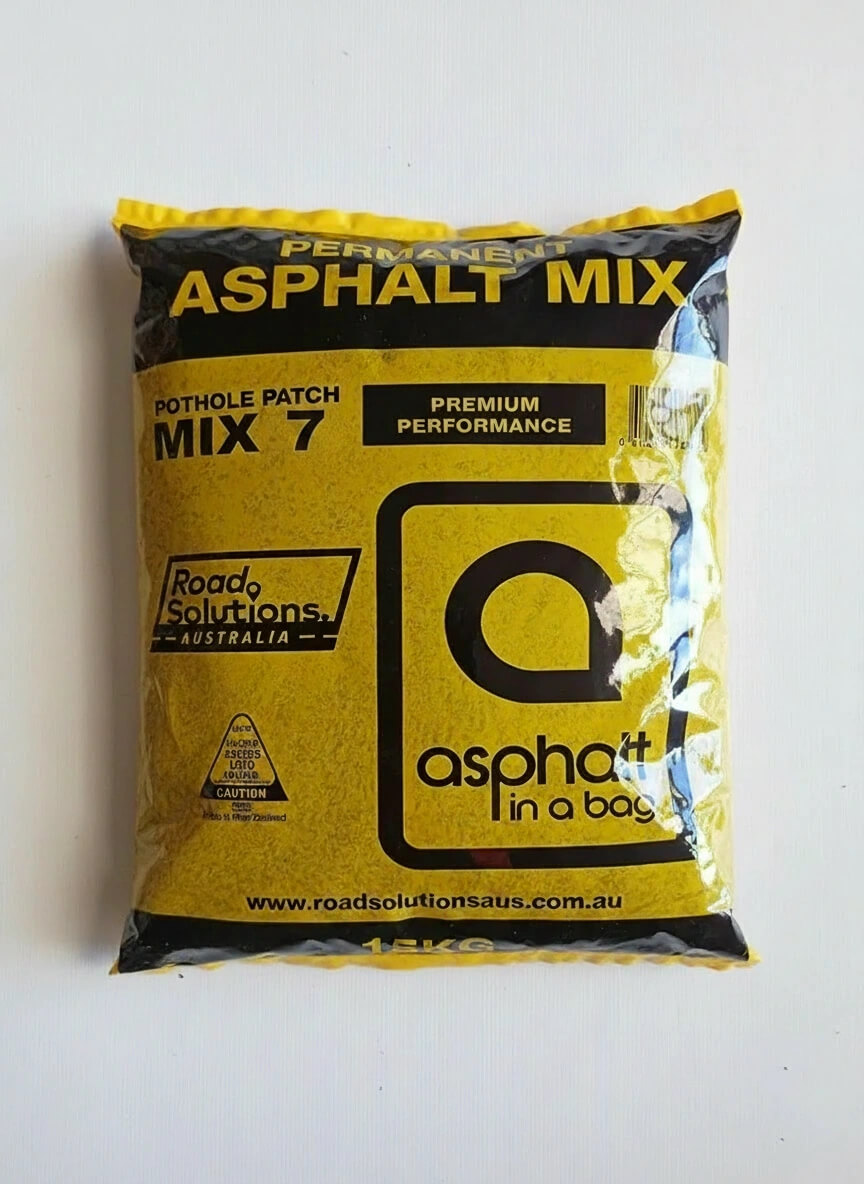
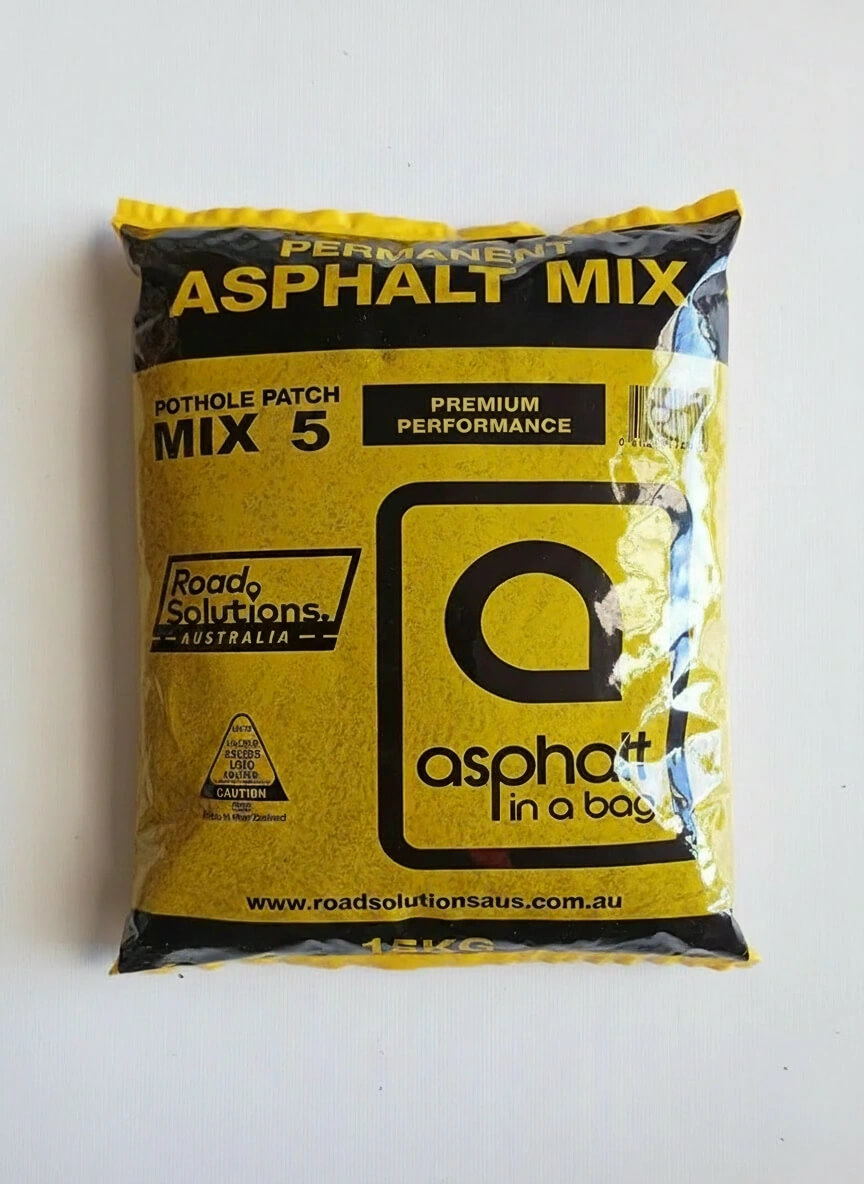
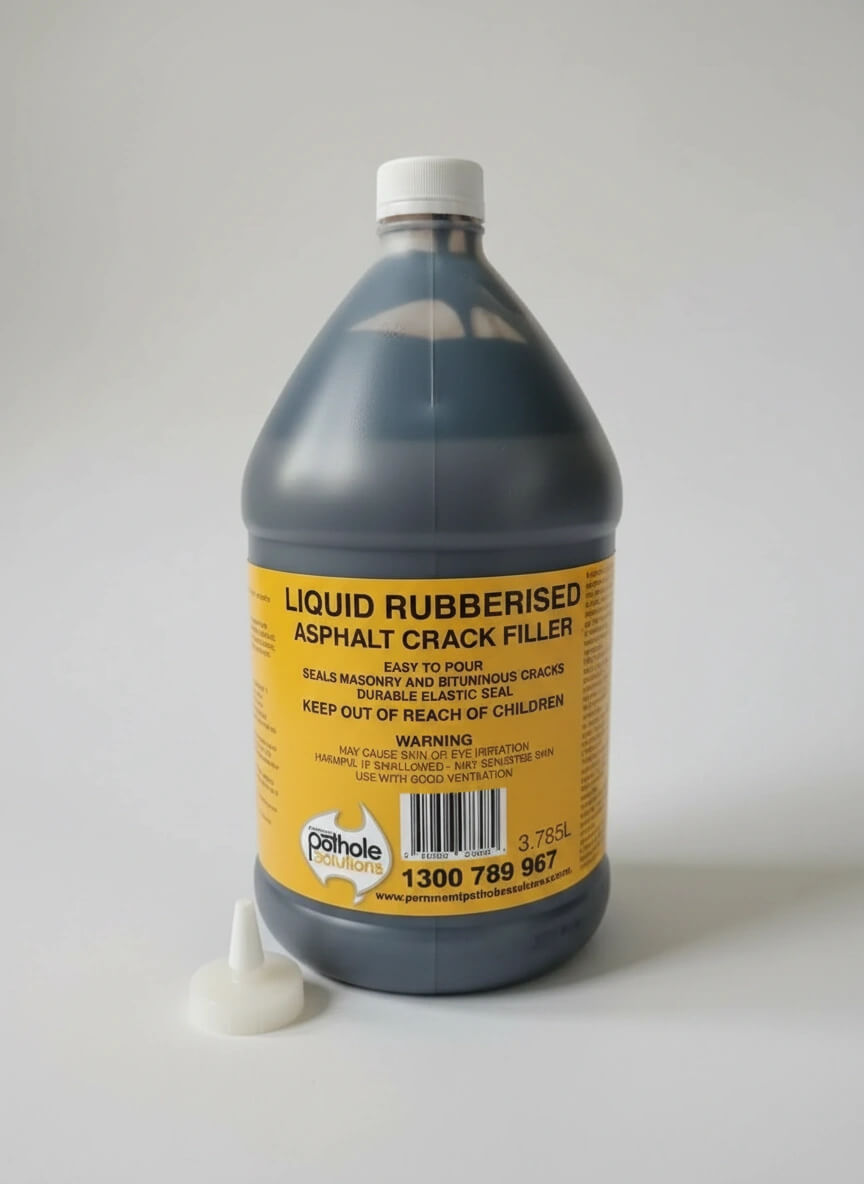
Products mentioned
Get the materials
Frequently asked questions
Is cold mix asphalt made-to-order or stockpiled?
Both. Quality manufacturers run scheduled batches, then bag and palletise the product so it is ready to ship the moment an order lands.
What is the typical shelf life?
A sealed bag of polymer-modified cold mix has a shelf life of around 12 months stored in a dry, shaded environment.
Why does cold mix vary in colour from batch to batch?
Aggregate source and polymer modifier blend can shift colour slightly. It has no effect on performance, only appearance during the first weeks.


