

What an emulsion is
Bitumen is solid at room temperature. To use it cold, the bitumen is heated, sheared into microscopic droplets, and stabilised in water using a surfactant — an electrically charged molecule that wraps each droplet and keeps it apart from its neighbours.
Cationic vs anionic
Cationic emulsions carry a positive charge and bond strongly to siliceous aggregates (most quarry rock). Anionic emulsions carry a negative charge and suit limestone-type aggregates. Australian cold mix is overwhelmingly cationic because of the local aggregate mix.
Breaking and curing
- The emulsion is mixed with aggregate at ambient temperature.
- On compaction, the surfactant film is squeezed open and droplets coalesce.
- Water is forced out and evaporates over the next hours and days.
- A continuous bitumen film binds the aggregate skeleton.
Polymer-modified emulsions
Adding SBS, SBR or polyurethane polymer to the bitumen before emulsification dramatically improves the cured product. The polymer network gives elastic recovery, widens the service temperature range and extends durability.
Why this matters in the bag
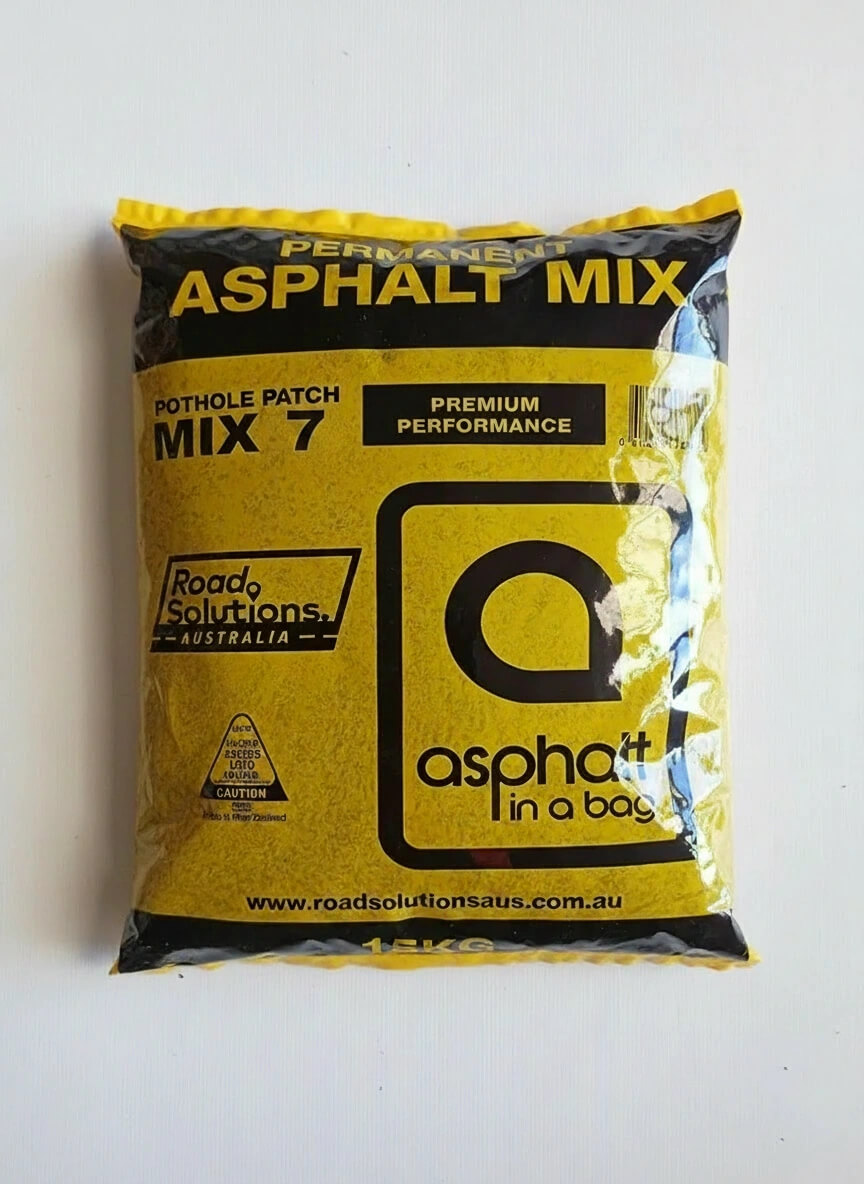
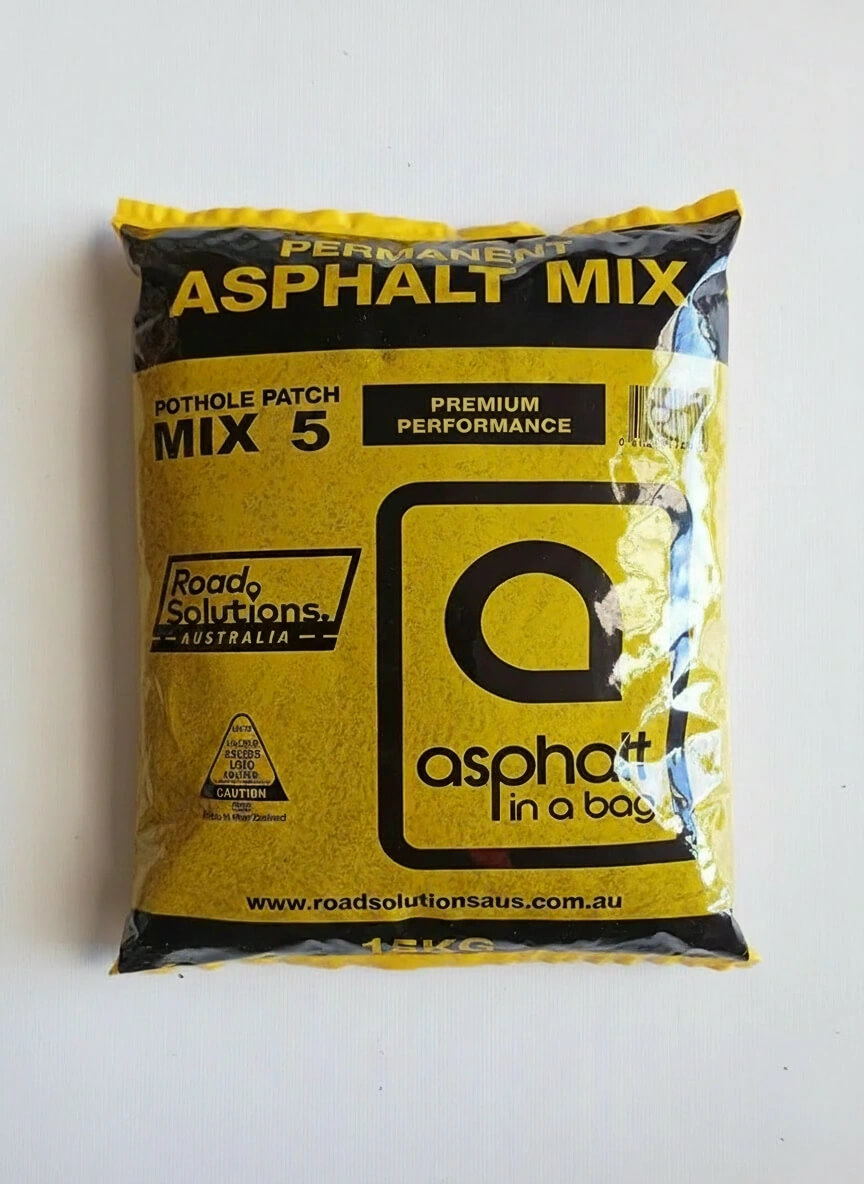
Emulsion chemistry is the reason a sealed bag of cold mix has a 12-month shelf life. The water keeps the bitumen droplets apart and the mix workable until compaction breaks the emulsion at the moment of placement.
Products mentioned
Get the materials
Frequently asked questions
Why is the bag of cold mix wet inside?
The water is part of the emulsion. It releases on compaction and evaporates over the following days.
Does the emulsion freeze in winter?
Quality cold mix products are formulated with freeze-thaw stability and can be stored and applied well below 0 °C.
Are emulsions safer than cutbacks?
Yes. Emulsions contain no volatile solvents, so they have lower VOC emissions and reduced flammability.


