

How long does cold mix last?
On a properly prepared and compacted repair, modern cold mix asphalt is a permanent fix. Independent in-service trials by road authorities have demonstrated patches still serviceable a decade after placement, with no visible distress.
Three drivers of durability
- Preparation — clean, dry, square-edged defect with no loose material.
- Compaction — full density, edges first, no voids.
- Product quality — washed aggregate, polymer-modified binder, fresh stock.
Common failure modes
- Ravelling — under-compaction or aggregate loss at the surface
- Shoving — too much fines, or applied to a flexible substrate
- Edge debonding — dirty bond face or no edge cut
- Dishing — under-fill or settlement of an unstable base
Why modern cold mix outperforms older mixes
Older cutback cold mixes used heavy solvents and unmodified bitumen. They softened in heat, ravelled under traffic and were honestly temporary. Polymer-modified emulsion-based products have eliminated those failure modes — the binder is elastic, the aggregate locked, and the patch densifies over time.
How to maximise life
Square the edges with a saw cut on long-life repairs. Place in 50 mm lifts. Compact firmly with a plate compactor on patches over 0.5 m². Crown slightly to shed water. The patch can then be expected to outlast the surrounding pavement.
Products mentioned
Get the materials
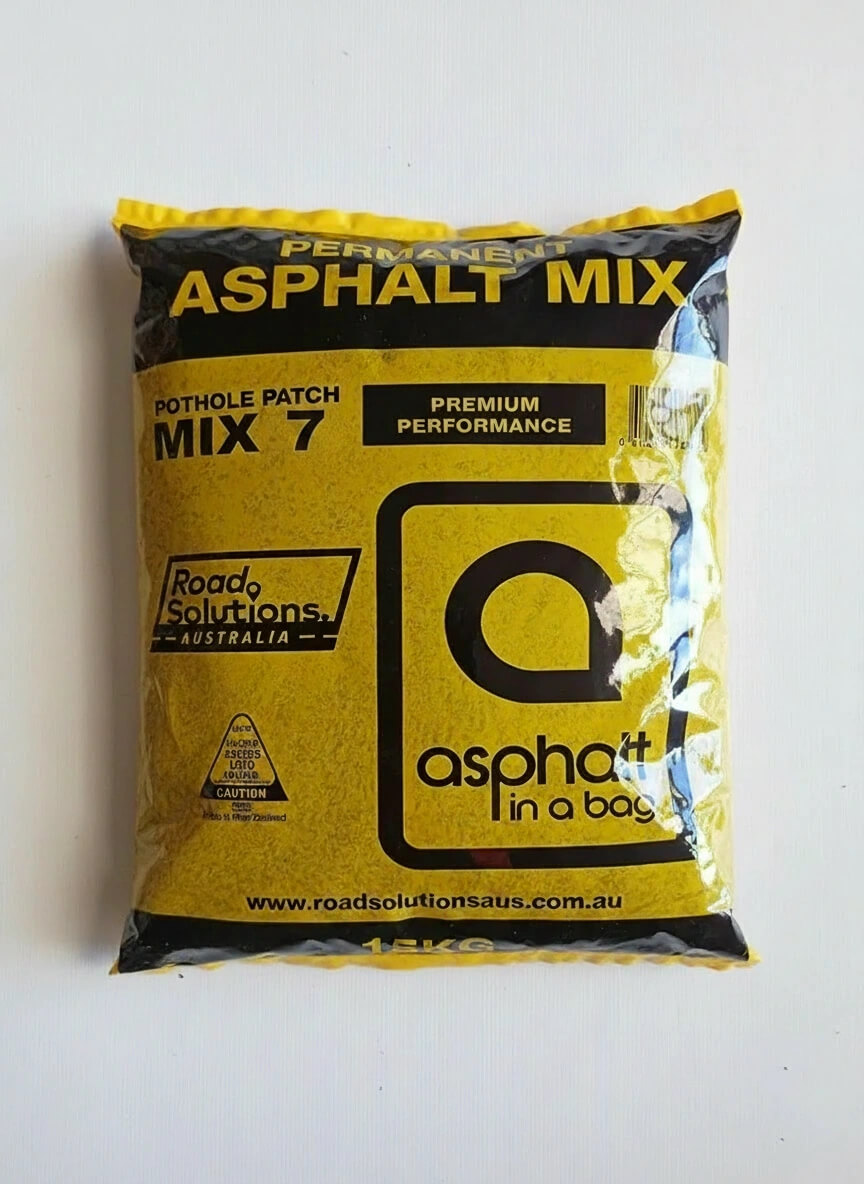
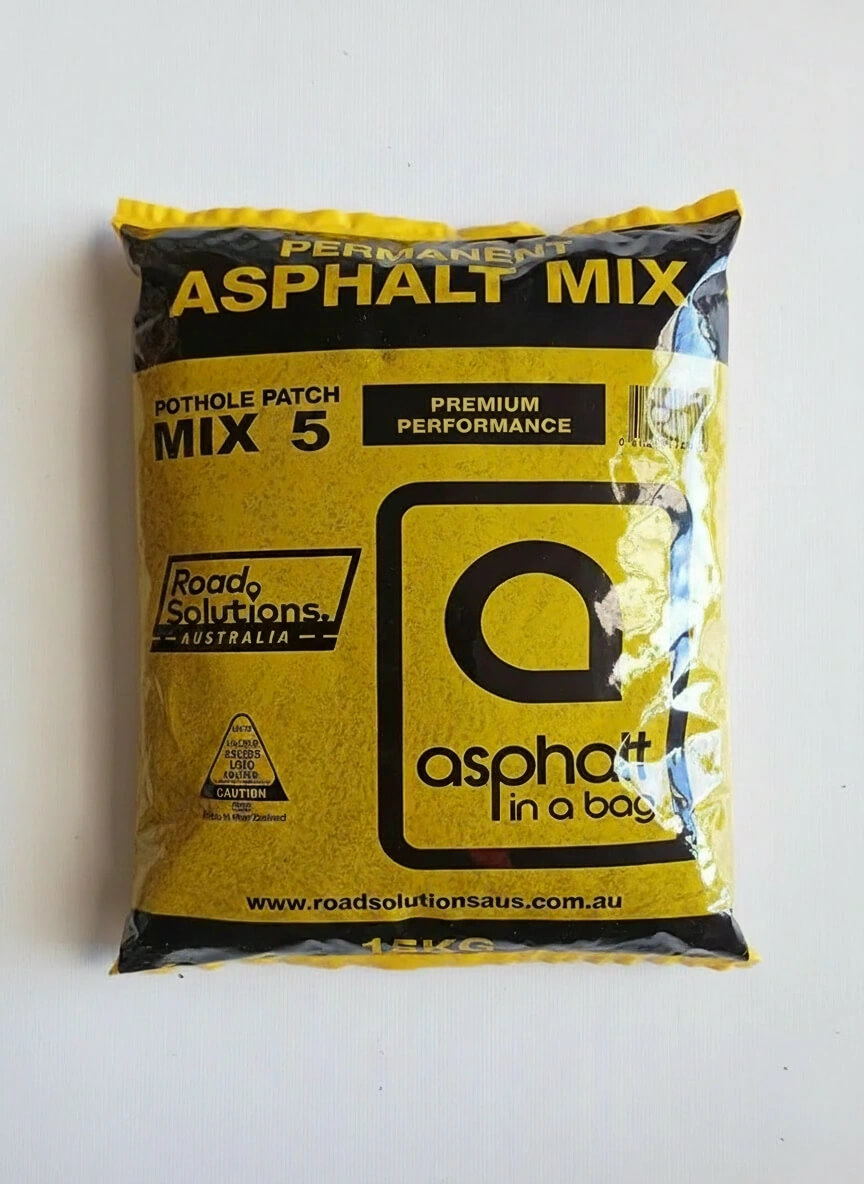
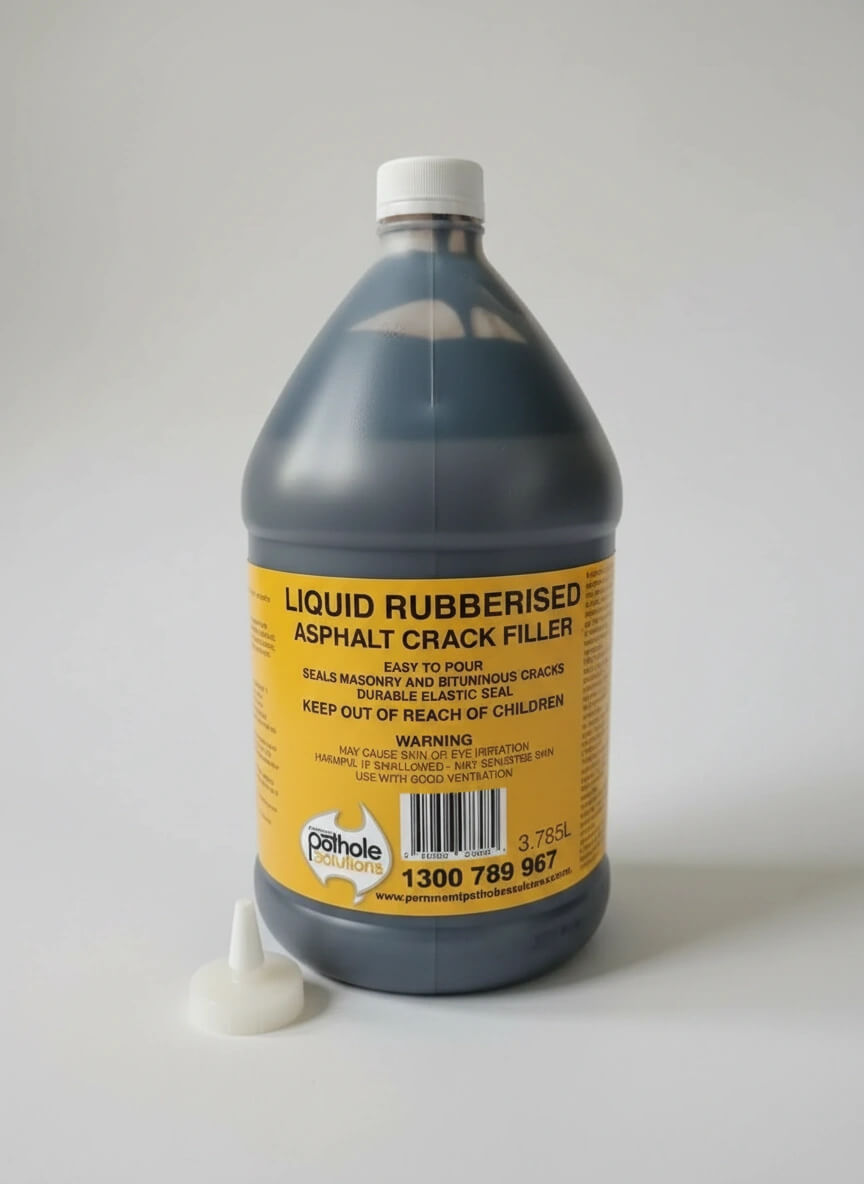
Frequently asked questions
Can cold mix repairs match hot mix performance?
For patch repairs, yes — modern polymer-modified cold mix delivers equivalent in-service life to a hot mix patch of the same dimensions, with significantly faster placement.
Does heat affect cold mix durability?
Polymer-modified cold mix is rated for surface temperatures up to 80 °C without softening — well above any Australian summer pavement temperature.
What about heavy truck traffic?
Cold mix is used on highways and freight routes. Use a coarser grade like 10 or 14 Gauge for heavy-axle loading.


