

Why cracks matter
Asphalt fails from the top down and from the water in. Once water enters a crack, freeze-thaw cycles, traffic loads and subgrade saturation widen it rapidly. A 5 mm hairline becomes a 50 mm pothole in a couple of seasons.
When to seal vs when to patch
- Hairline to 12 mm: seal with a rubberised crack filler
- 12 mm to 25 mm: seal with a crack filler, multiple passes if needed
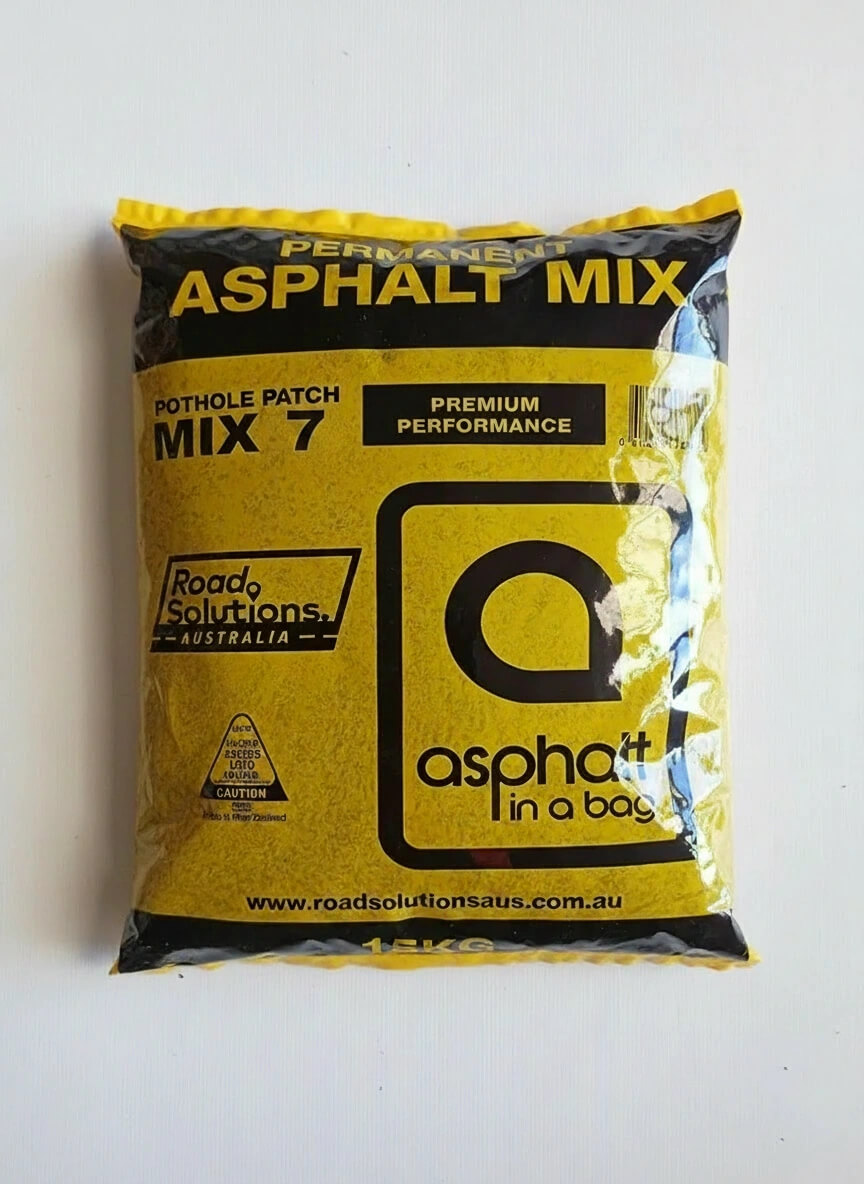
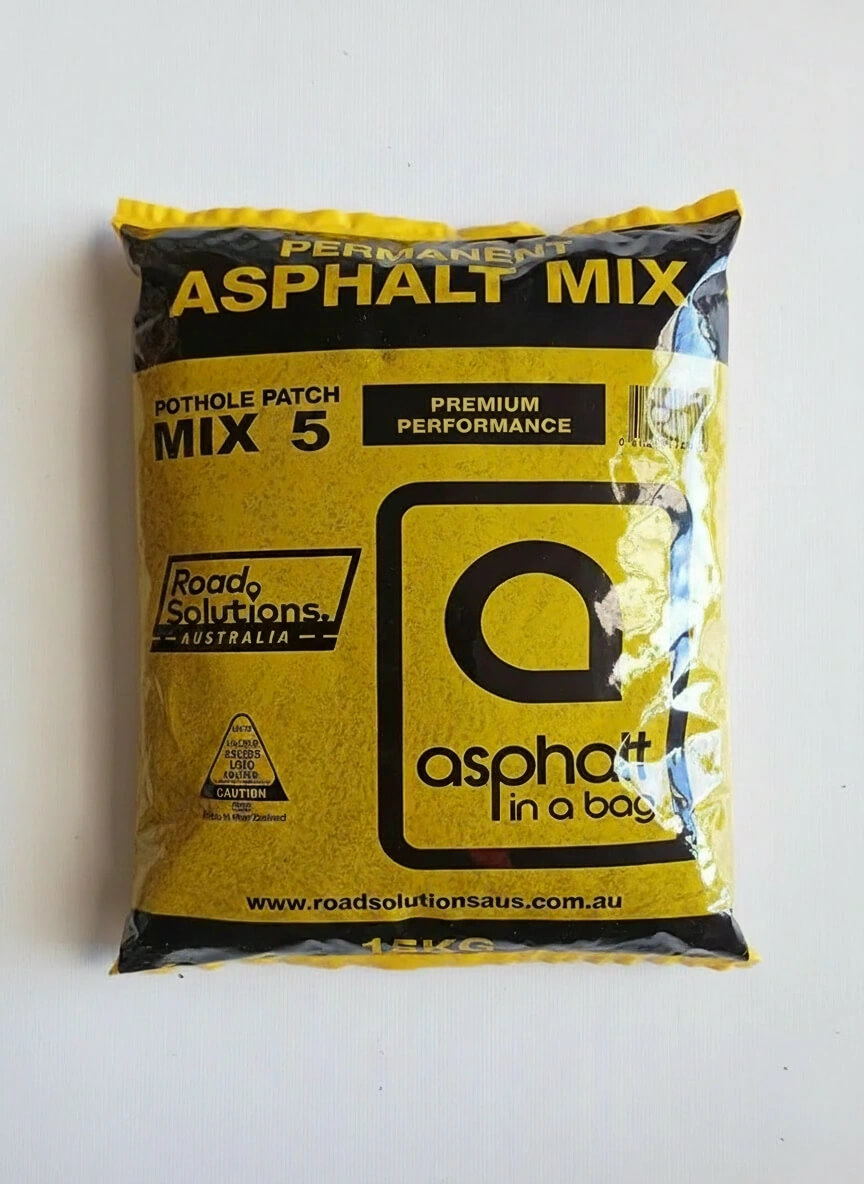
- Above 25 mm or any vertical displacement: patch with cold mix instead
How to seal a crack
- Clear the crack with a stiff wire brush or compressor.
- Make sure the surface is dry — wait an hour after rain.
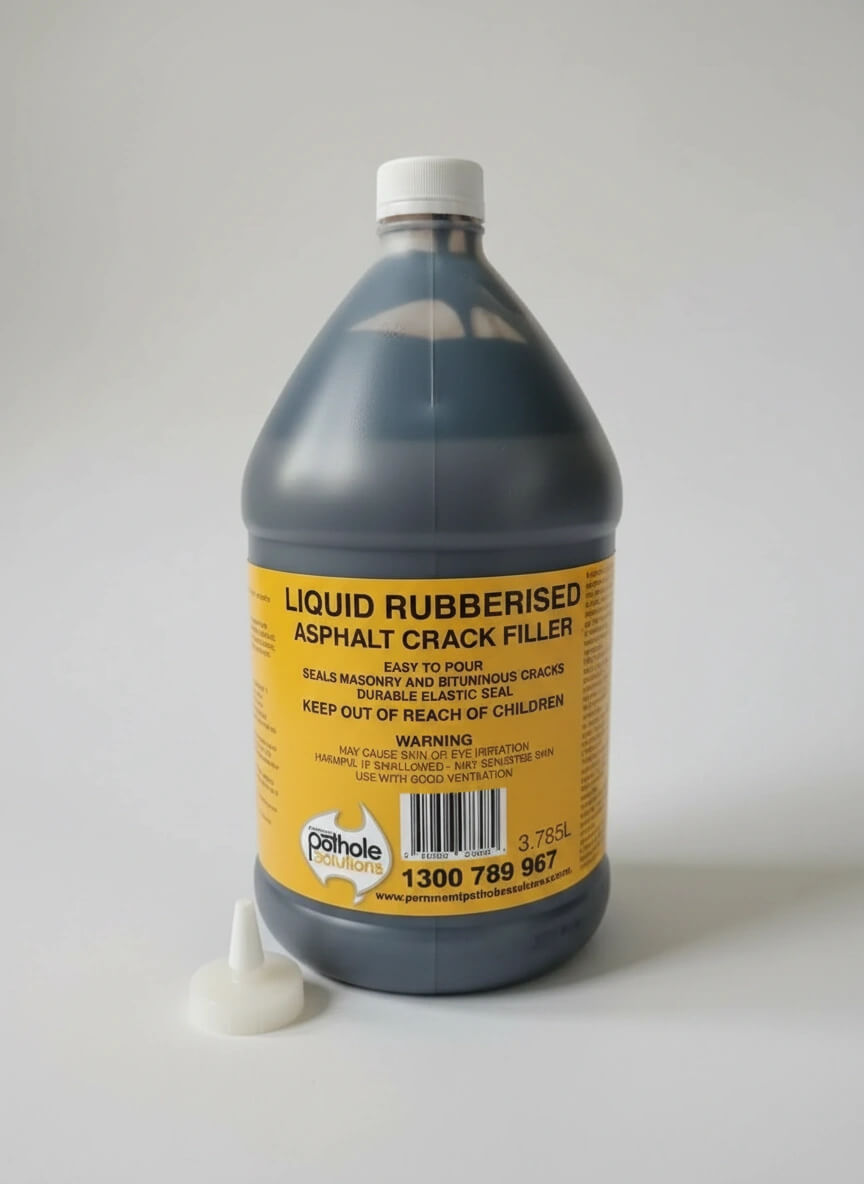
- Apply rubberised crack filler from the nozzle along the full length.
- Smooth with a putty knife or screed; slight overfill is fine.
- Allow 30–60 minutes before light foot traffic.
Choosing a filler
A rubberised, polymer-modified crack filler stays flexible through hot and cold cycles. Avoid pure bitumen pour-fills on driveways — they harden, then crack themselves within a season.
Maintenance schedule
Walk the driveway once each spring and autumn. Seal any new cracks as they appear. Combined with a sealcoat every 3–5 years, this single habit doubles the realistic life of a residential asphalt driveway.
Products mentioned
Get the materials
Frequently asked questions
Can I seal cracks in winter?
Yes, as long as the crack and surrounding surface are dry and above 4 °C during application.
How long does a crack seal last?
A quality rubberised filler typically lasts 5–8 years on a domestic driveway, depending on movement and UV exposure.
Will the filler match the asphalt colour?
It cures to a deep matt black and weathers towards the asphalt colour within a few months.


