

Is your driveway ready for a resurface?
- Surface is heavily cracked but base is firm — resurface
- Lots of small patches eating into the look — resurface
- Driveway flexes underfoot, rutting, or sinking — reconstruct instead
- Drainage is wrong — fix profile during resurface or rebuild
How the overlay process works
- Sweep and clean the existing surface.
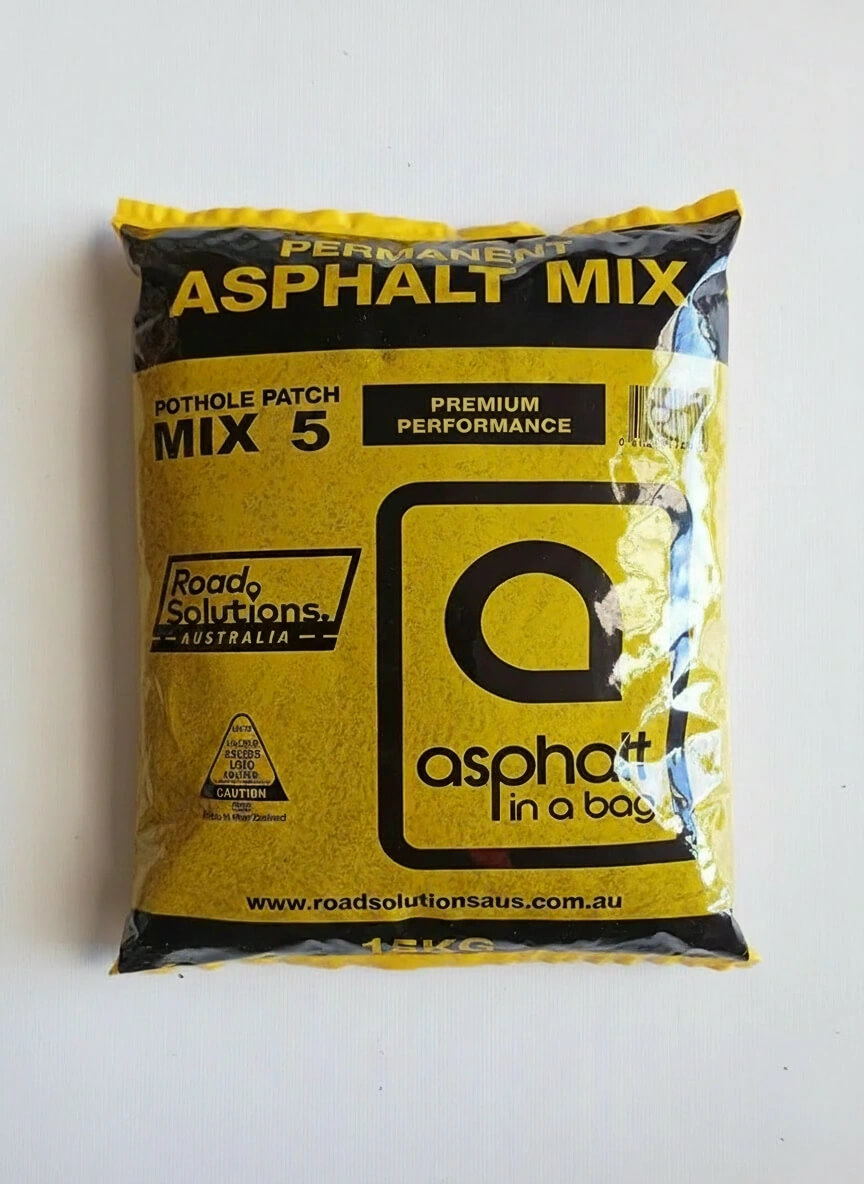
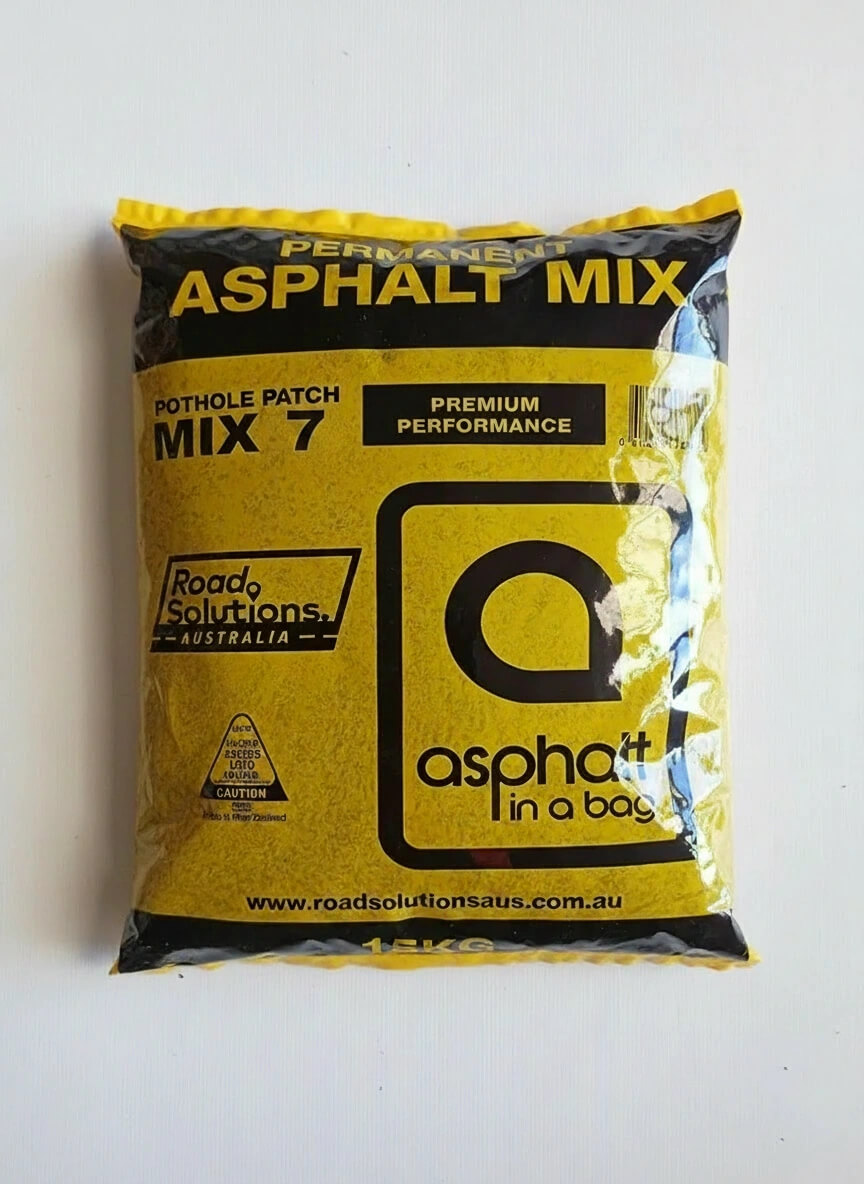
- Repair any potholes or wide cracks with cold or hot mix.
- Apply a tack coat to bond the new layer.
- Lay 25–50 mm of hot mix asphalt with a paver.
- Compact with rollers while the mix is hot.
- Cool, sweep, open to traffic.
Resurface or reconstruct?
Resurfacing only works when the base is structurally sound. If you can see rutting, settlement or alligator cracking that returns no matter how often you patch, the failure is in the base layer and an overlay will mirror those defects within a year or two.
Cost guide (AU)
Indicative residential resurfacing in Australia runs $35–$65 per m² fully contracted, vs $90–$150 per m² for a full reconstruction. Always get three quotes and confirm whether prep, edge work and disposal are included.
Maximising the new surface
- Sealcoat 6–12 months after the overlay
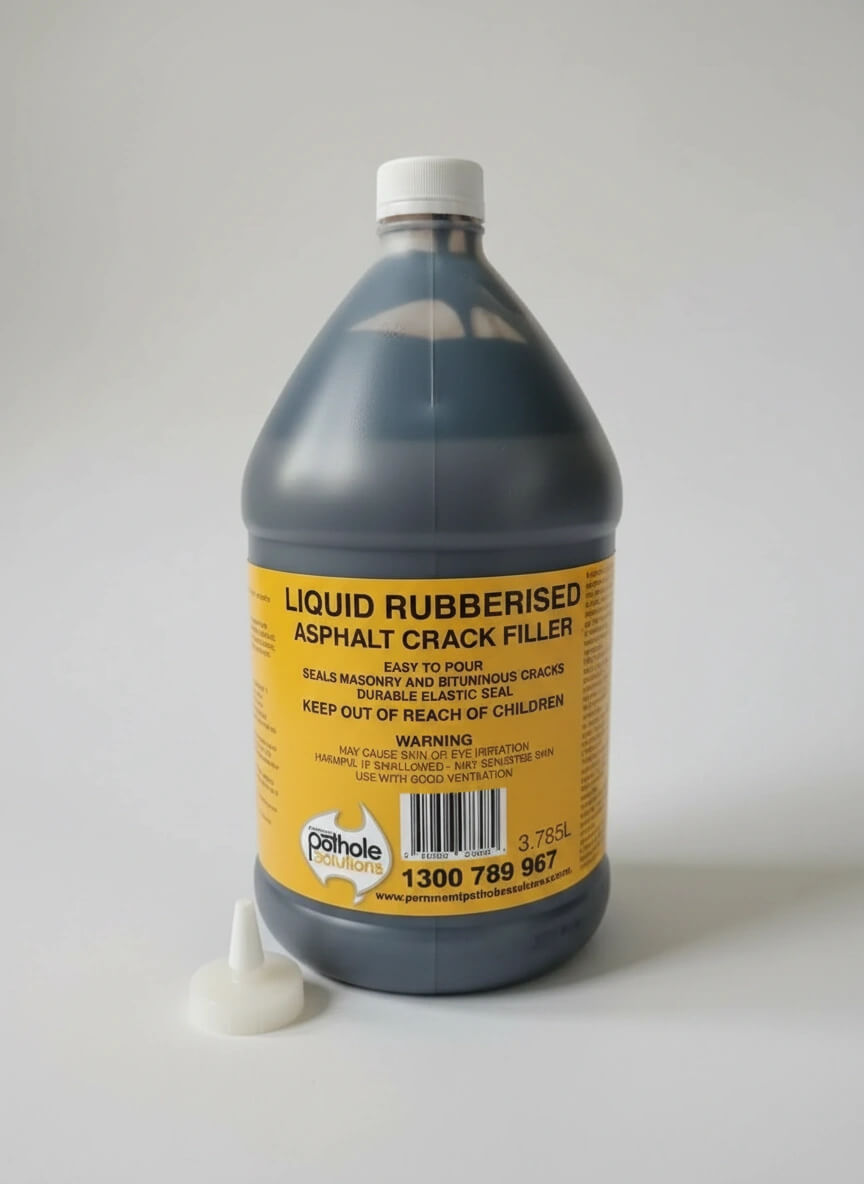
- Seal cracks the moment they appear
- Re-coat every 3–5 years thereafter
Products mentioned
Get the materials
Frequently asked questions
How long does a resurfaced driveway last?
Typically 12–20 years if the base was sound and the new surface is maintained.
Will the overlay reach the original edge height?
Yes — the paver matches the desired finished level. The edges may need transition strips against garage slabs and footpaths.
Can resurfacing fix drainage issues?
Yes — the new surface can be paved with a corrected cross-fall to direct water off the driveway.


