

The annual rhythm
- Spring inspection — winter damage is at its worst.
- Crack seal any new openings.
- Patch any potholes that have opened up.
- Autumn inspection — catch summer UV damage.
- Every 3–5 years: full sealcoat refresh.
Inspection checklist
- Hairline cracks → schedule crack sealing
- Cracks > 10 mm → seal this weekend
- Potholes → patch with cold mix
- Edge breaks → patch and consider edge restraint
- Pools of standing water → check drainage, may need profile correction
- Fading to grey → schedule next sealcoat
Why the small jobs matter
A single 5 mm crack ignored for two years can become a pothole that costs 20× more to fix. Maintenance is overwhelmingly a question of speed, not skill — fix small things fast and big things never happen.
Equipment to keep on hand
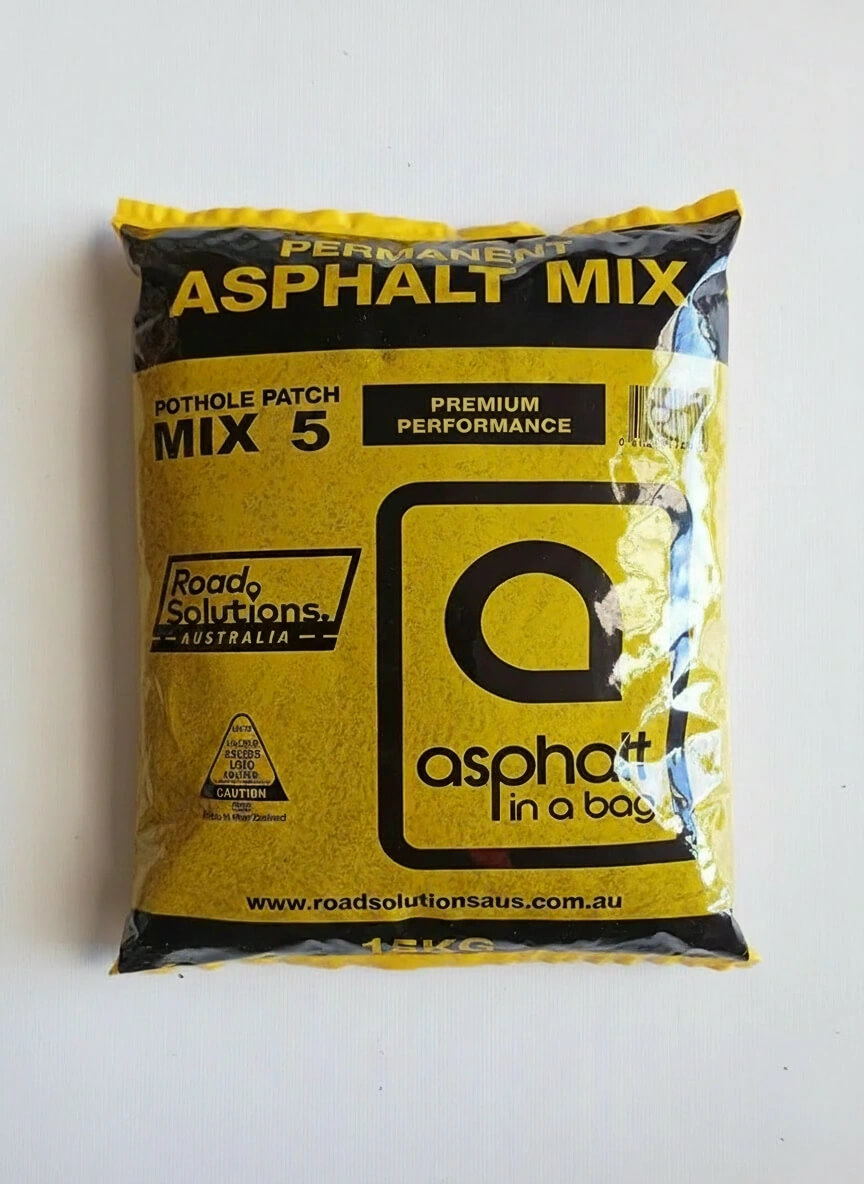
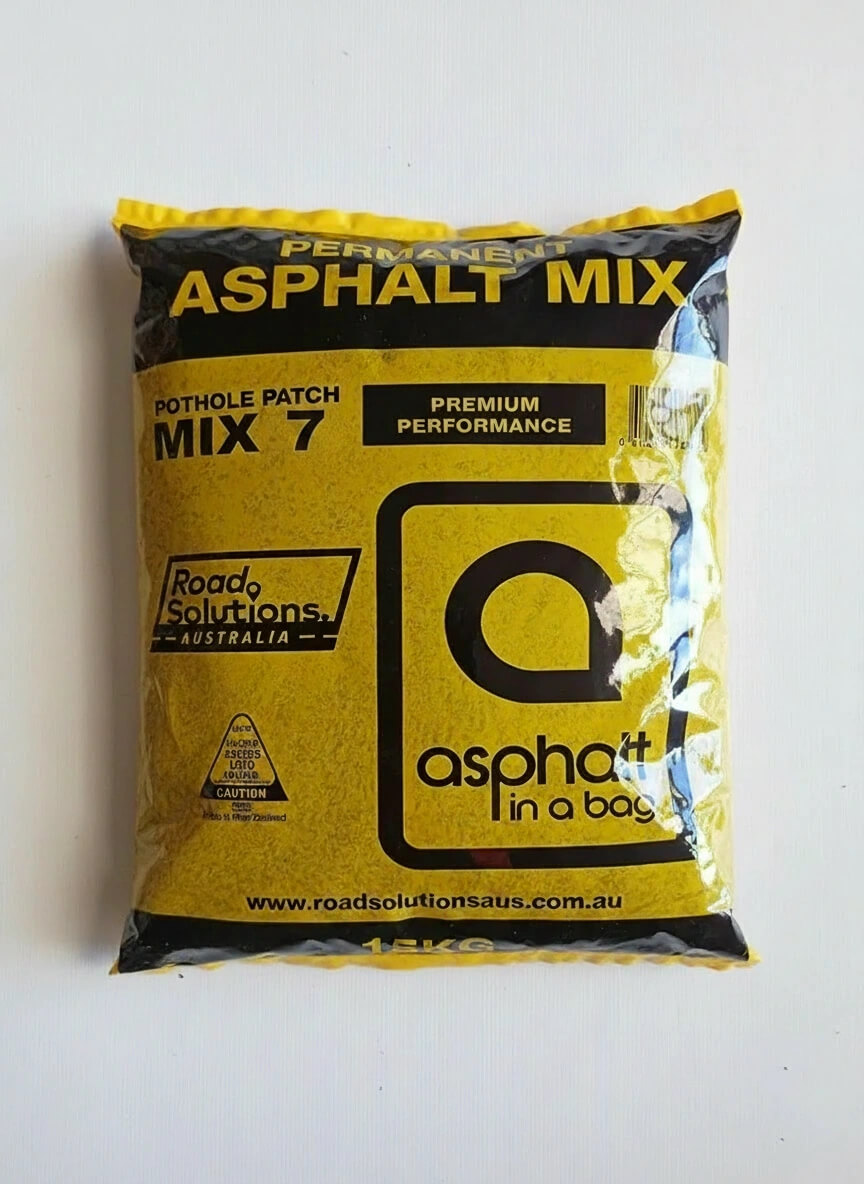
- One bag of 7 Gauge cold mix asphalt
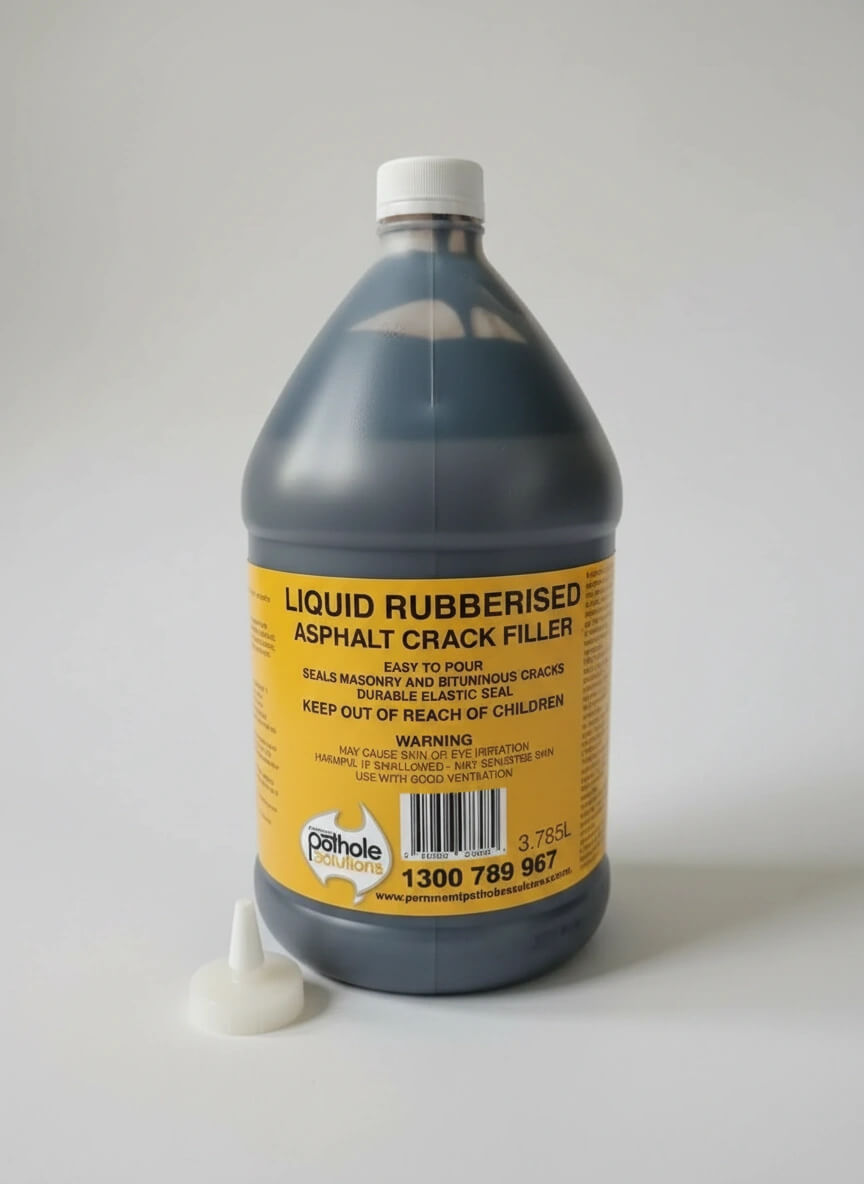
- Two tubes of rubberised crack filler
- Wire brush, broom, square-mouth shovel, hand tamper
- Pail of sealcoat for touch-ups
When professional help is worth it
Sealcoating a long or sloped driveway is genuinely hard on the back and easy to get streaky. For drives over ~100 m², contracting the sealcoat step often saves time, mess and re-do work.
Products mentioned
Get the materials
Frequently asked questions
Can I skip sealcoating if I do everything else?
You can — but UV oxidises the surface bitumen and the driveway will fade and become brittle. Sealcoat is the single best protection against that.
How long should an asphalt driveway last?
A well-built and maintained asphalt driveway should give 25–30 years. Without maintenance, the same driveway often fails in 10–15.
Is the cost of maintenance really worth it?
Yes. A few hundred dollars a year of materials defers a $10,000+ replacement by a decade or more.


