

Is your driveway a restoration or a replacement?
- Cracking and surface fade only — restore.
- Localised potholes or edge breaks — restore.
- Widespread alligator cracking or visible base failure — replace.
- Severe deformation, rutting or settlement — replace.
Step 1 — Crack repair
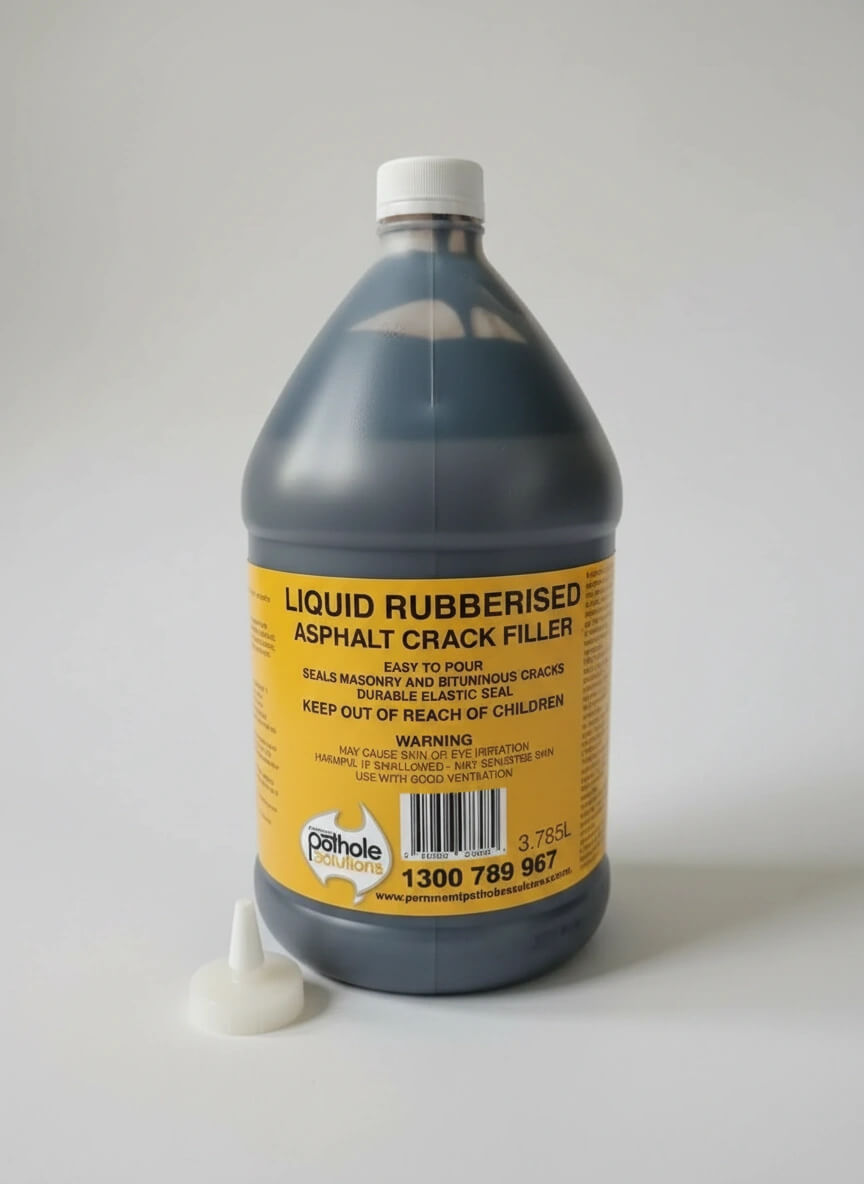
Walk the drive with a rubberised crack filler and seal everything from a hairline up to about 25 mm. This is the highest-impact step — it stops water entering the base.
Step 2 — Pothole and edge patching
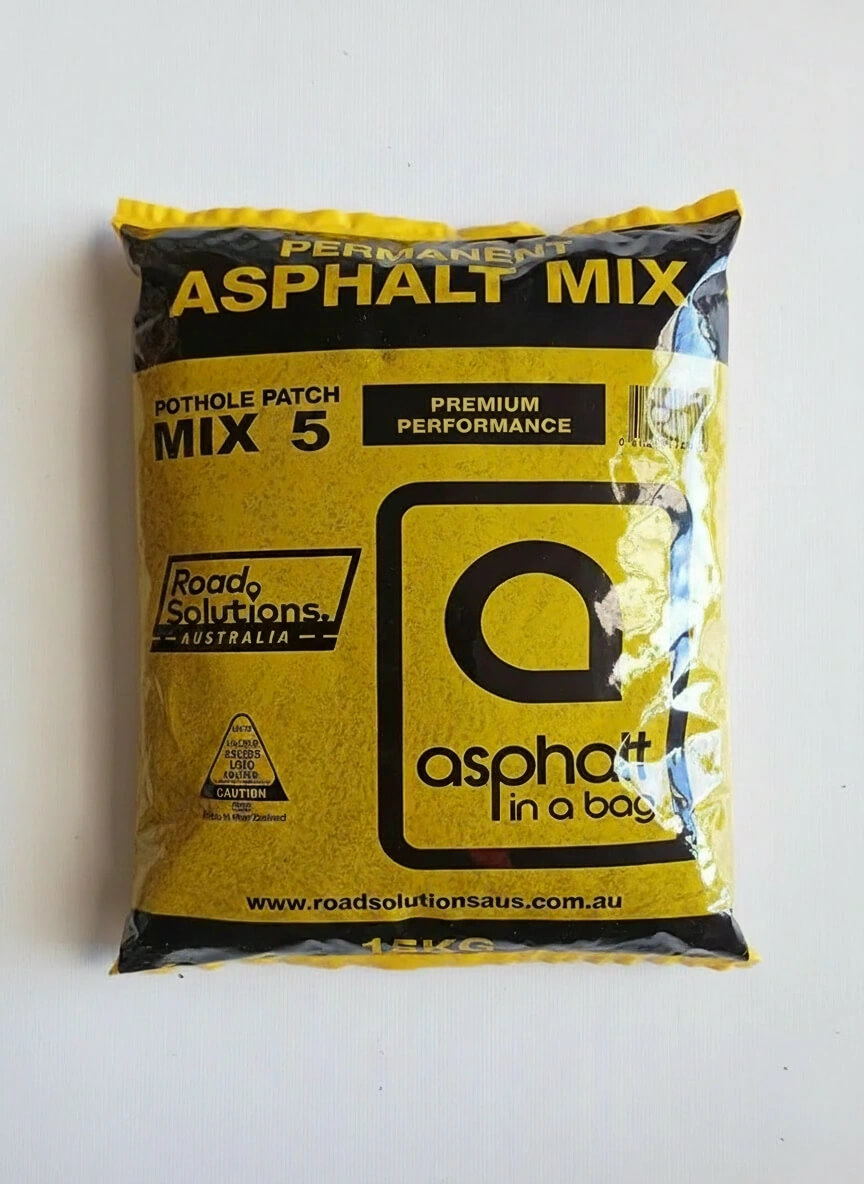
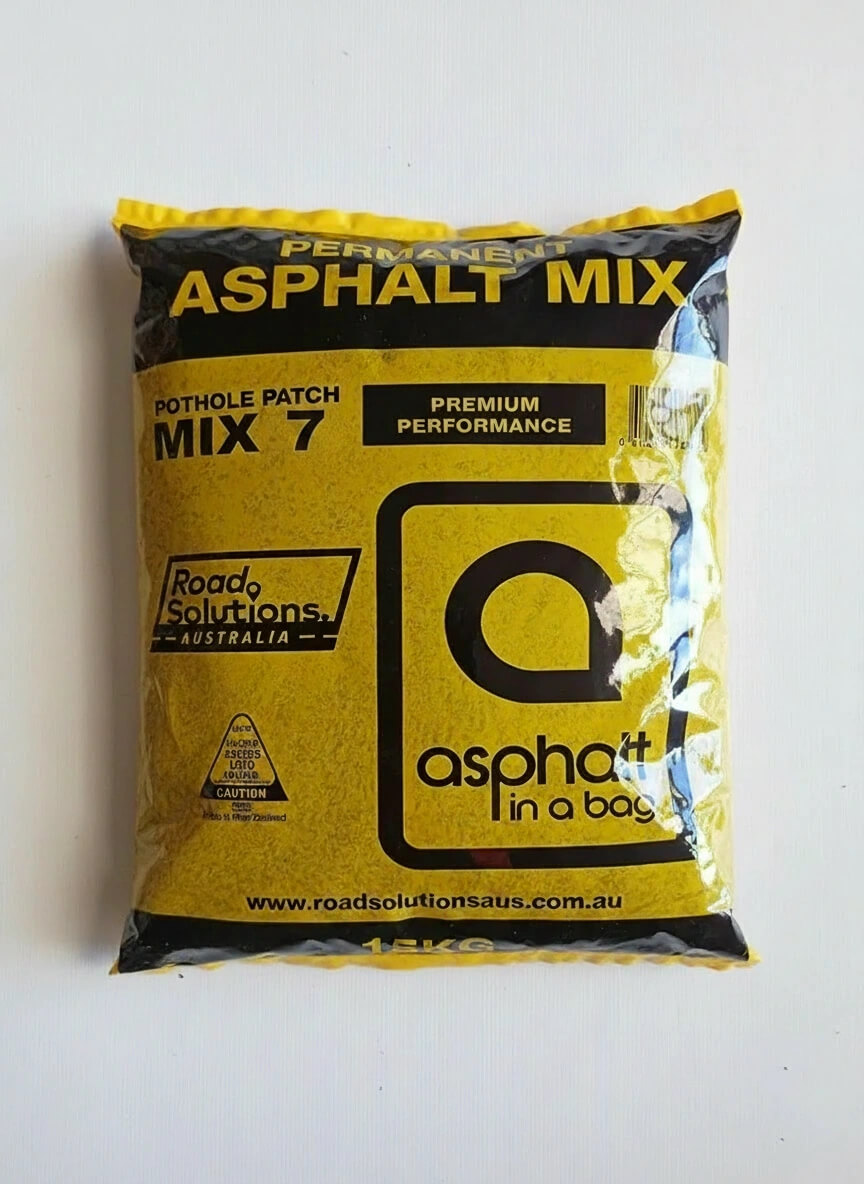
Square out each defect, fill with cold mix asphalt and compact. Edge breaks may need a small timber form to hold the mix while it densifies.
Step 3 — Surface preparation and sealcoat
Once patches have cured for a few days, sweep and pressure-wash the driveway. Apply a bitumen-emulsion sealcoat in two thin coats. Sealcoat replaces lost surface bitumen, restores the deep matt-black appearance and protects against UV and oil.
Step 4 — Ongoing maintenance
- Inspect twice a year.
- Seal new cracks within a season of appearance.
- Re-coat the sealcoat every 3–5 years.
- Patch potholes as they appear.
Total restoration cost
A typical residential driveway restoration runs $400–$1,200 in materials done DIY, or $2,000–$5,000 contracted — versus $8,000+ to resurface or $15,000+ to reconstruct.
Products mentioned
Get the materials
Frequently asked questions
How long does a restored driveway last?
Properly restored, an existing driveway typically gets another 5–10 years before resurfacing becomes the better option.
Can I restore an oxidised, grey driveway?
Yes — sealcoating is what reverses oxidation. After patching and crack sealing, two thin coats of sealer restore the appearance.
How long after sealcoating can I drive on it?
24 hours for cars, 48 hours before parking heavy vehicles or hot tyres.


