

What is hot mix asphalt?
Hot mix asphalt (HMA) is mineral aggregate and bitumen binder blended at a plant at 140–160 °C, delivered hot, laid with a paver and compacted before it cools. It is the standard surface for highways, arterial roads and most new asphalt construction in Australia.
What is cold mix asphalt?
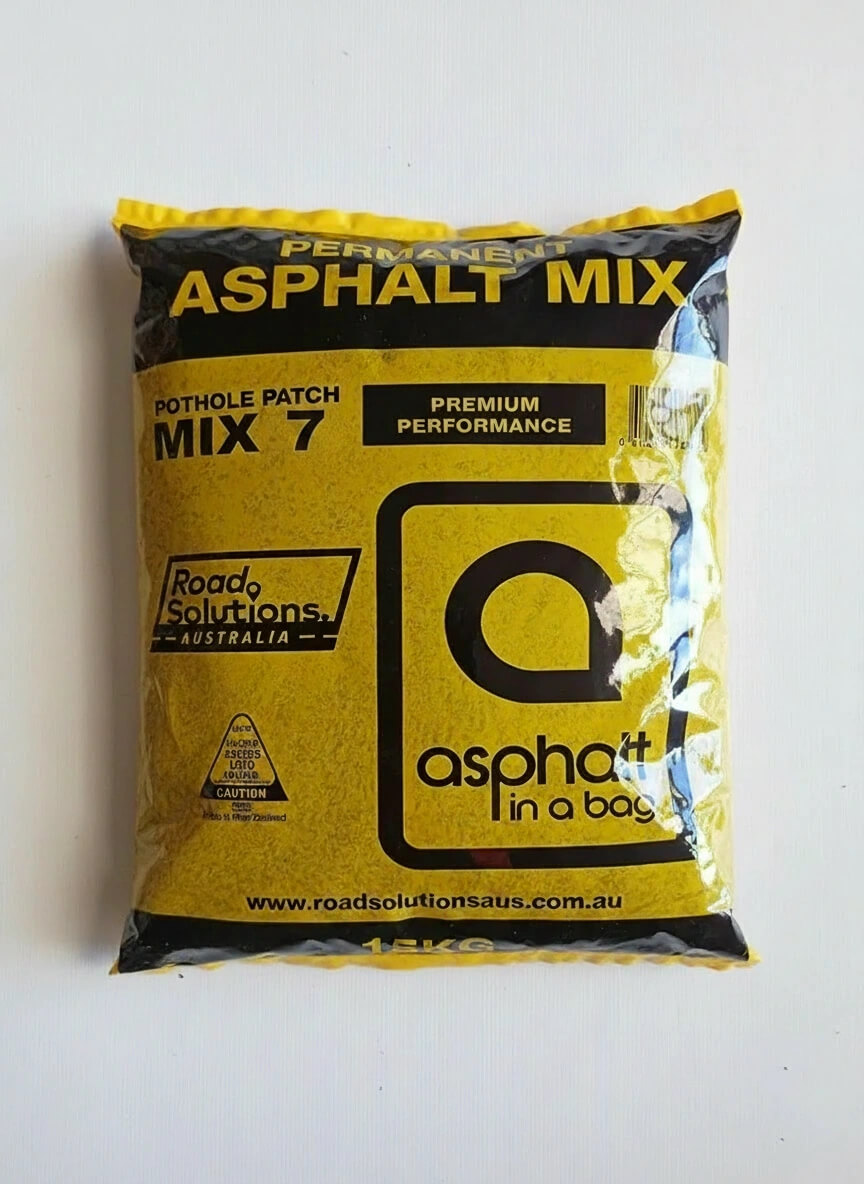
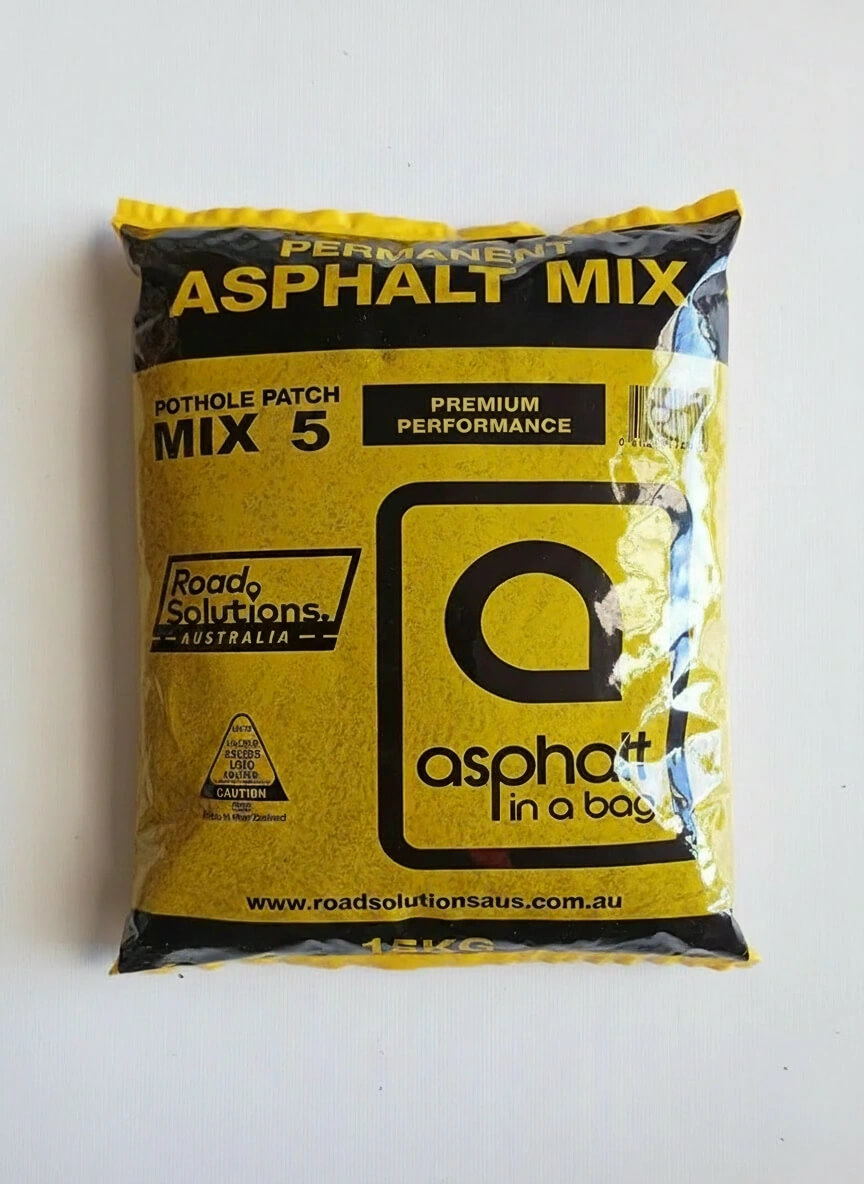
Cold mix uses polymer-modified bitumen and specially graded aggregate that remains workable at ambient temperature. It is supplied ready to use — typically in 20 kg bags or bulk bags — and applied cold. No kettle. No torch. No hot truck.
Side-by-side comparison
| Attribute | Cold Mix Asphalt | Hot Mix Asphalt |
|---|---|---|
| Application temperature | −26 °C to 49 °C ambient | Substrate ≥ 10 °C, dry |
| Mix temperature | Ambient | 140–160 °C |
| Weather | Wet or dry, any season | Dry only, mild to warm |
| Equipment | Tamper or vehicle wheel | Paver, rollers, hot trucks |
| Time to traffic | Immediate | After cooling (1–4 hrs) |
| Shelf life | 12 months in sealed bag | Hours after mixing |
| Best use | Repair, patching, cracks | New construction, overlays |
| Per-tonne cost | Higher | Lower |
| Total small-job cost | Lower | Much higher |
When to use cold mix
- Pothole repair on roads, car parks and driveways
- Utility reinstatement — trench cuts, valve covers, service pits
- Edge breaks and shoulder drop-offs on rural roads
- Wet-weather work that cannot wait for fine conditions
- Remote or low-volume sites where plant mobilisation is uneconomic
When to use hot mix
- New road construction and full-depth pavement layers
- Large resurfacing programs requiring paver-laid finish
- Highway and airport works with high smoothness specs
Durability: does cold mix really last?
Modern polymer-modified cold mix is a permanent repair, not the loose cutback material of the 1980s. The polymer network gives the binder elastic recovery, so the patch flexes with traffic and thermal movement instead of cracking and shelling out.
The verdict
Cold mix and hot mix are not competitors — they solve different problems. Hot mix builds and resurfaces roads. Cold mix keeps them in service between cycles. The right toolkit for any road owner, contractor or facility manager includes both.
Products mentioned
Get the materials
Frequently asked questions
Is cold mix asphalt as strong as hot mix asphalt?
For full-depth new construction, hot mix is stronger because it bonds into a monolithic layer as it cools. For pothole and crack repair, polymer-modified cold mix matches hot mix performance and is a permanent repair.
How long does cold mix asphalt take to cure?
Cold mix is trafficable immediately after compaction. Full chemical cure occurs over several weeks as traffic continues to work the mix.
Can you use cold mix asphalt in the rain?
Yes. Quality cold mix can be applied wet or dry across −26 °C to 49 °C. Hot mix cannot be laid in rain or on a wet surface.
Which is cheaper, cold mix or hot mix?
Hot mix is cheaper per tonne. Cold mix wins on total cost for small repairs because you avoid plant hire, hot transport and large crews.


