

Energy savings
Hot mix production heats aggregate to 150 °C and keeps it hot through transport and placement. Cold mix is produced and applied at ambient temperature. Lifecycle analyses typically show 50–80% lower embodied energy per tonne compared with hot mix.
Reclaimed asphalt pavement (RAP)
Cold mix recipes can accept high proportions of RAP — crushed and screened material from old pavements. Because the new emulsion coats both fresh and recycled aggregate at ambient temperature, the binder in the RAP is not re-aged by the heat cycle.
Emissions on site
- No burner — zero combustion emissions at the mixer
- No hot transport — no insulated truck idling and reheating
- No torches or kettles on site — no fume exposure to the crew
- Reduced VOC content in modern emulsion-based products
Circular maintenance
A road maintained primarily with cold mix patching extends the resurfacing cycle. Fewer overlays mean less virgin aggregate quarried and less material to landfill. The same logic applies at a single-driveway scale.
What to ask suppliers
- What percentage of RAP is in the mix?
- Is the binder VOC-compliant for your jurisdiction?
- What is the embodied carbon per tonne of finished product?
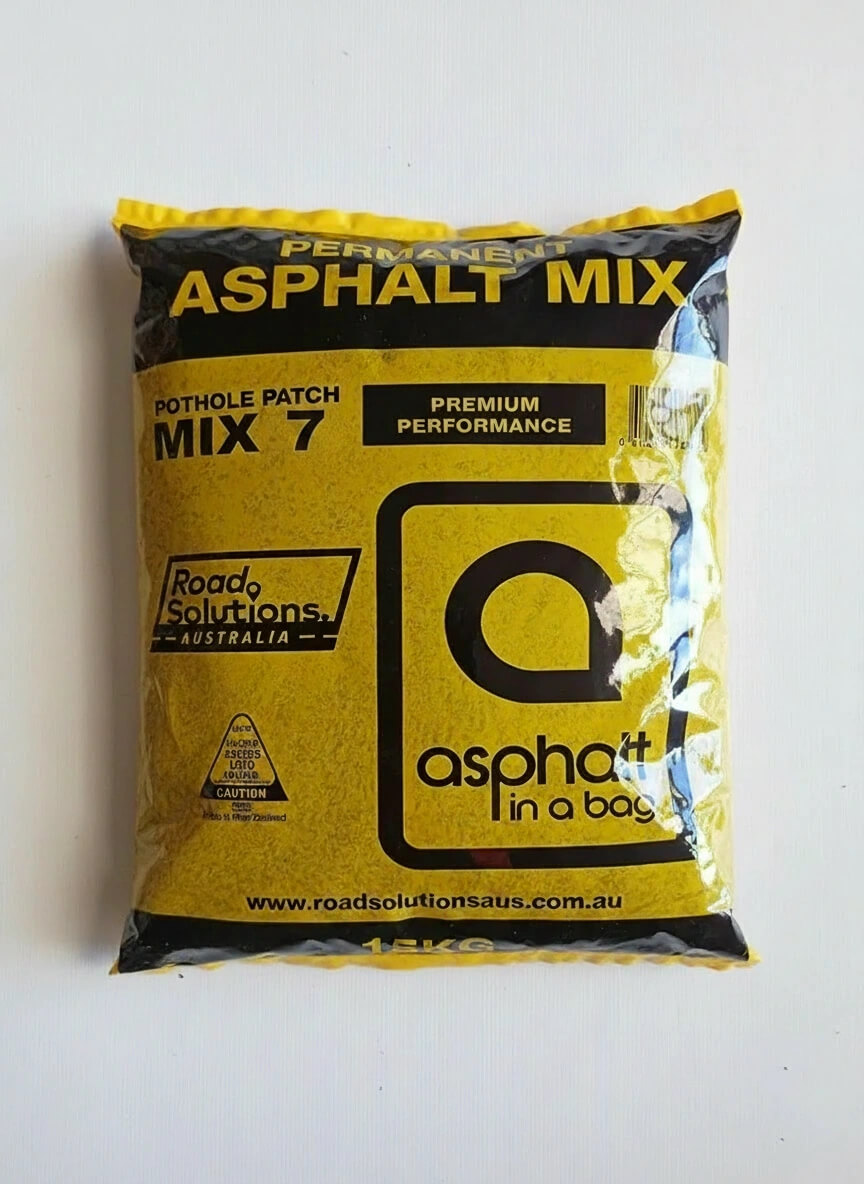
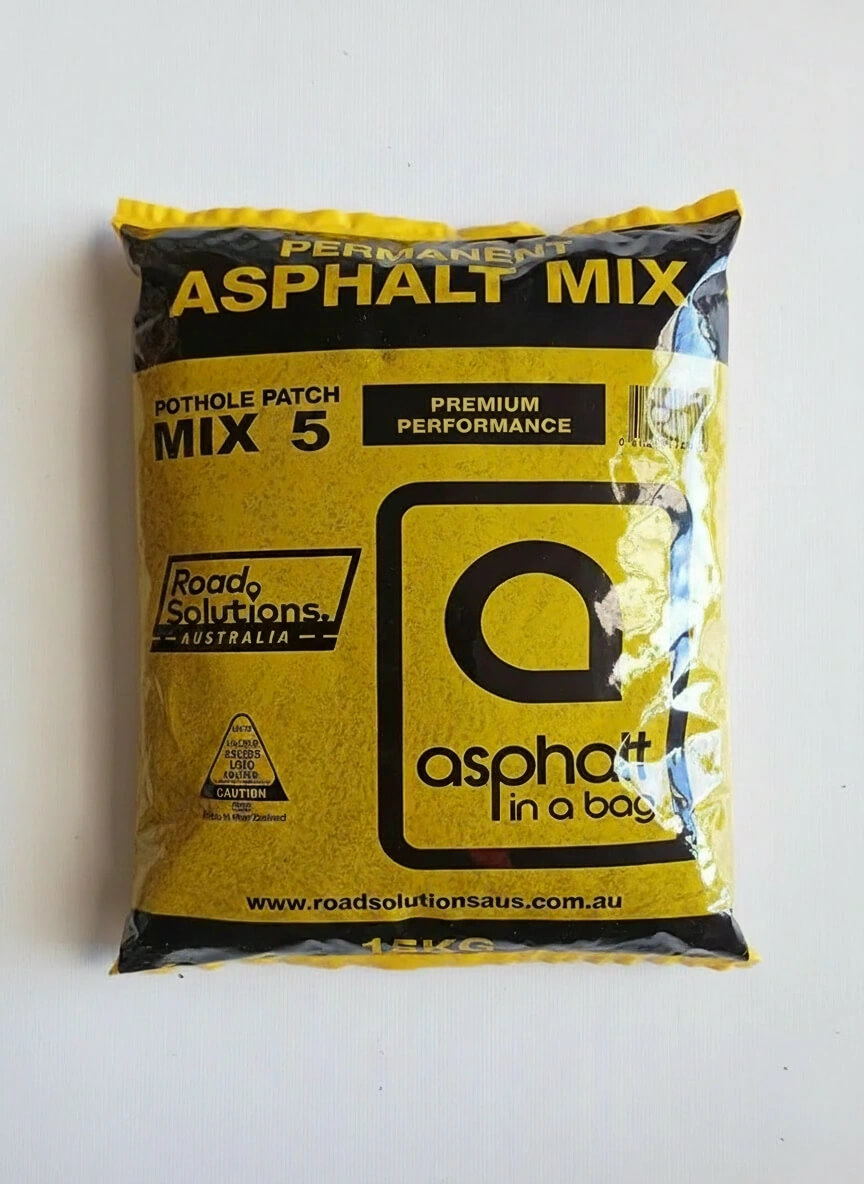
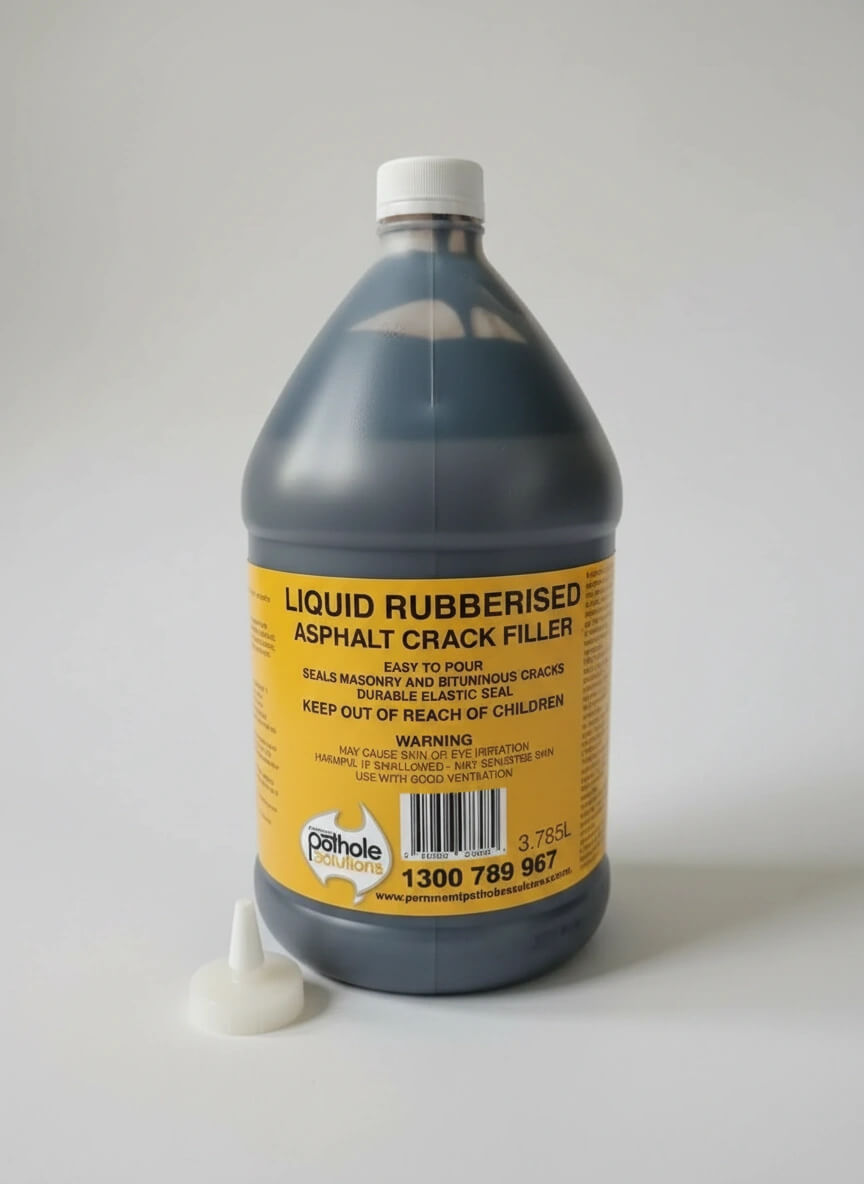
Products mentioned
Get the materials
Frequently asked questions
Is recycled cold mix as durable as virgin cold mix?
When properly designed and tested, yes. The key is binder dosage — RAP brings aged binder that has to be balanced against the fresh emulsion.
Can old asphalt be turned into cold mix on site?
Yes — in-place cold recycling is a recognised pavement rehabilitation technique that mills the existing surface, blends an emulsion and re-lays the mixture cold.
Does cold mix qualify for green building credits?
Where pavement materials count toward credits like Green Star or IS Rating, cold mix products with documented recycled content and low embodied carbon typically qualify.


