

The four families
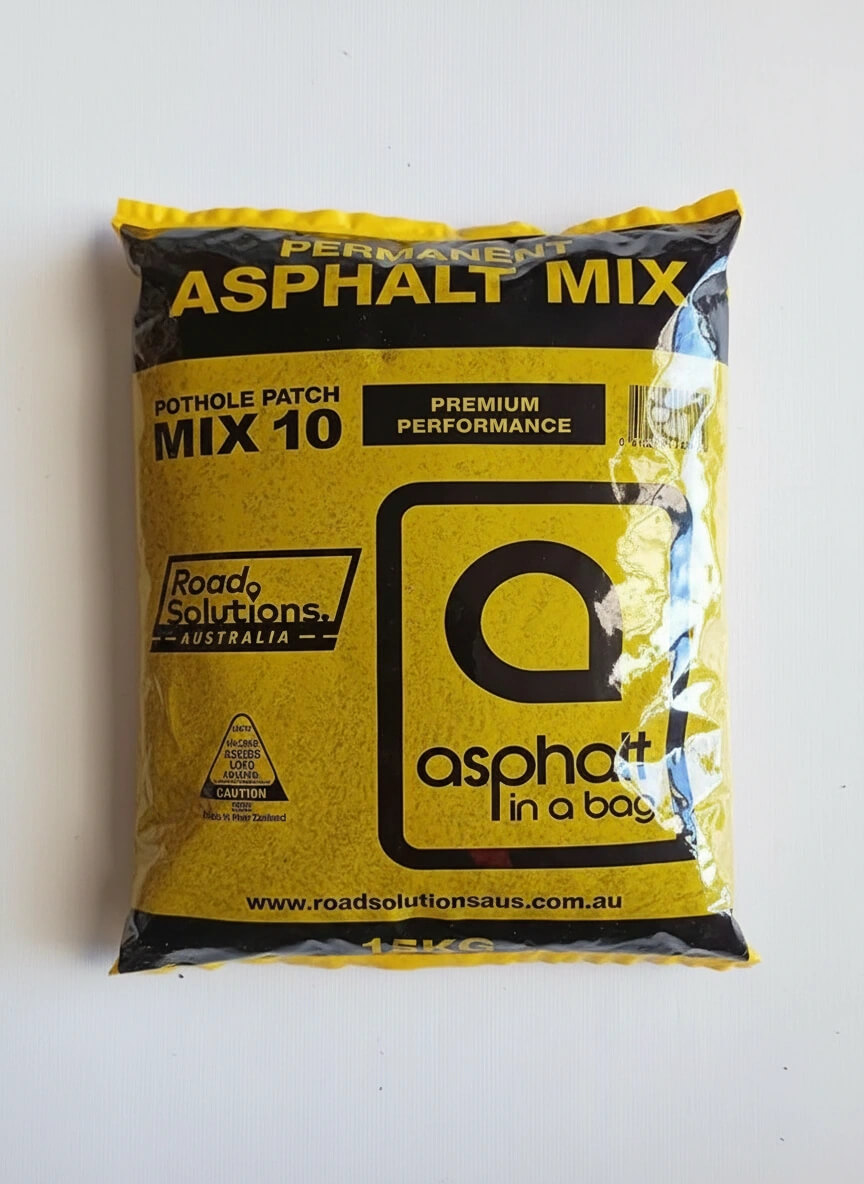
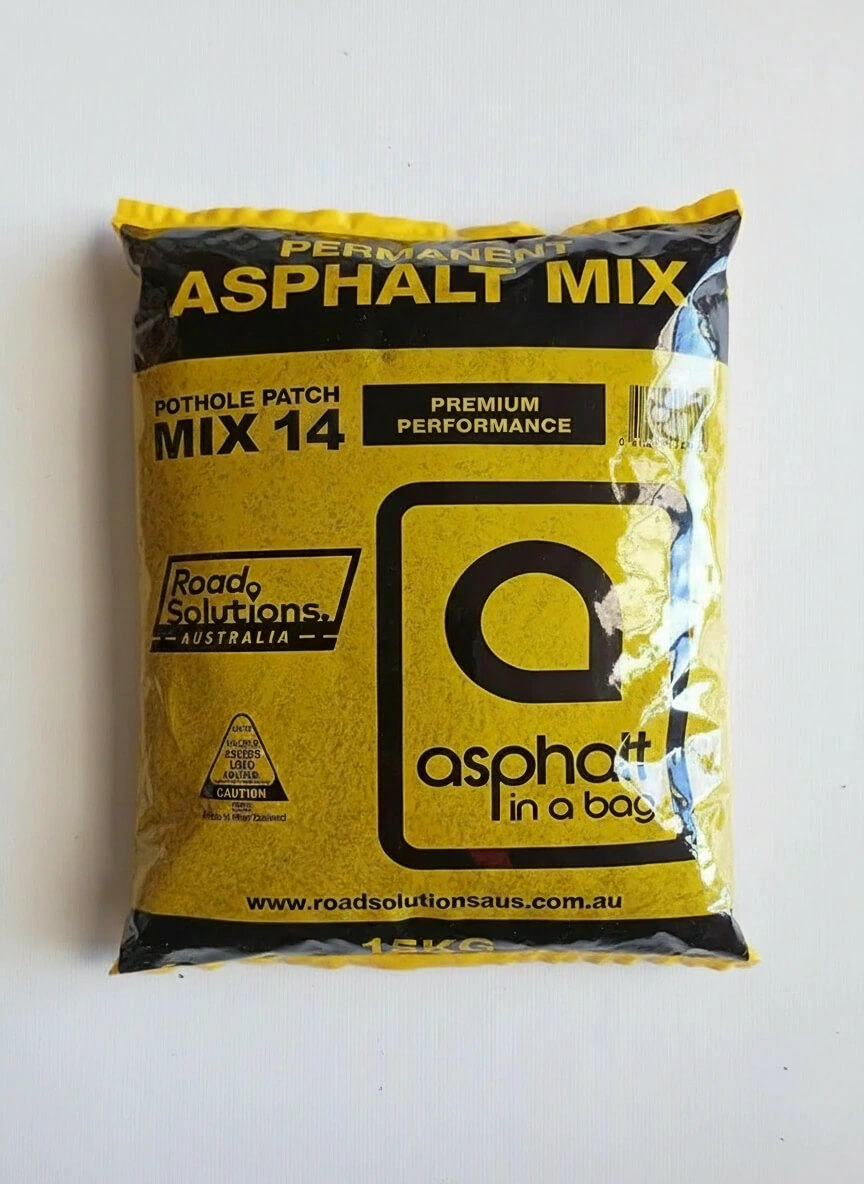
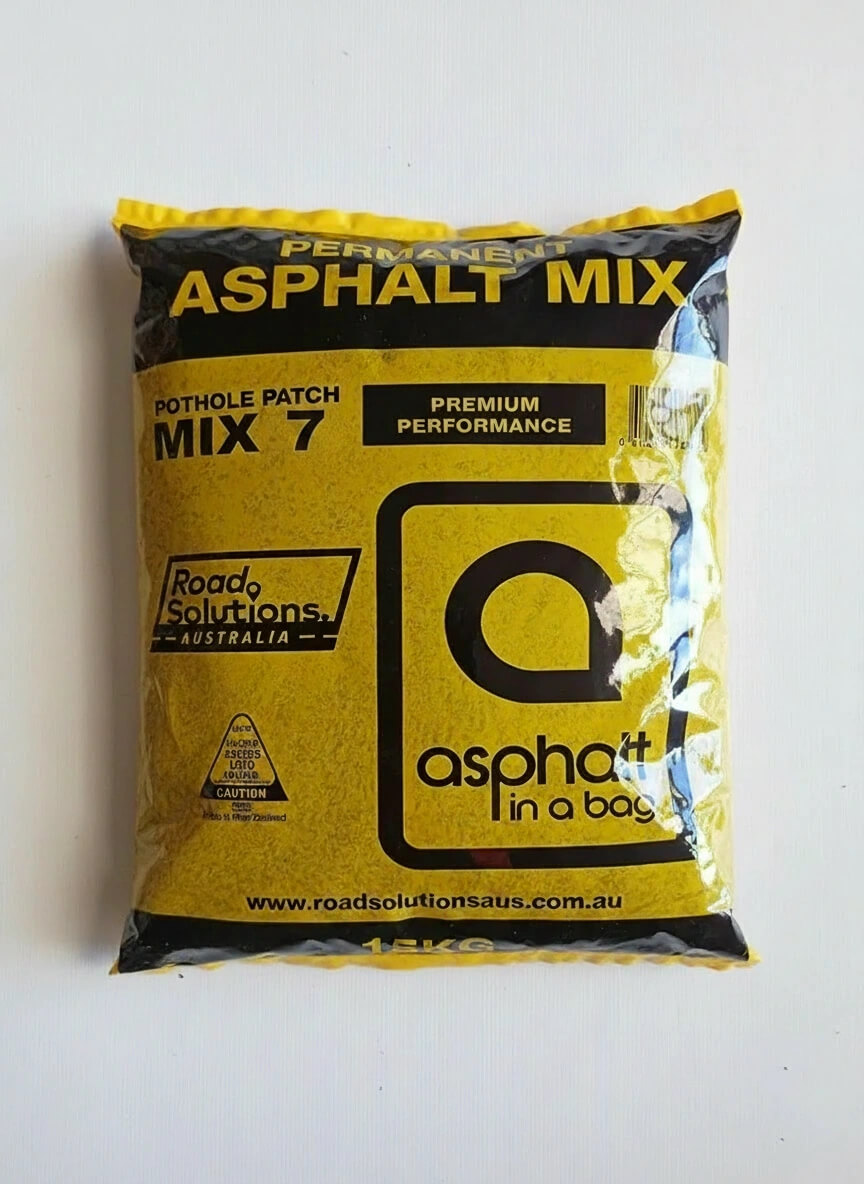
- Cold mix asphalt — pothole and patch repair
- Crack fillers and sealants — cracks and joints
- Surface treatments — sealcoats, fog seals, rejuvenators
- Hot mix asphalt — large-area resurface and overlay
When to use cold mix
Whenever the defect is a hole, edge break, utility cut or localised failure. Cold mix is the rapid, all-weather, single-crew option.
When to use crack filler
Whenever you have visible cracks from hairline up to about 25 mm. Sealing early stops water entering the base and saves the road from progressing to pothole-level failure.
When to use surface treatment
Whenever the surface is sound but oxidising, fading or losing fine aggregate. Sealcoats and fog seals replace surface bitumen and extend the resurfacing cycle by years.
When to use hot mix
Whenever you have a large area to resurface, a structural overlay to lay, or a new pavement to build. Hot mix needs plant and crew, but at scale it's the most cost-effective option.
Combining products
A real road maintenance program uses all four. Crack-seal in early autumn, patch with cold mix as defects appear, sealcoat every few years, and overlay when the surface is too tired to maintain economically.
Products mentioned
Get the materials
Frequently asked questions
Which product gives the best value per dollar?
Crack sealing — by a wide margin. Cheap, quick, and stops the failure cascade that leads to potholes.
Are these products interchangeable?
No. Each is engineered for a specific defect type. Using crack filler in a pothole or cold mix in a hairline crack both fail.
Can a small council run a maintenance program with just two products?
Yes — cold mix asphalt and rubberised crack filler will cover 90% of routine work. Add a sealcoat program every few years.


