

The four categories
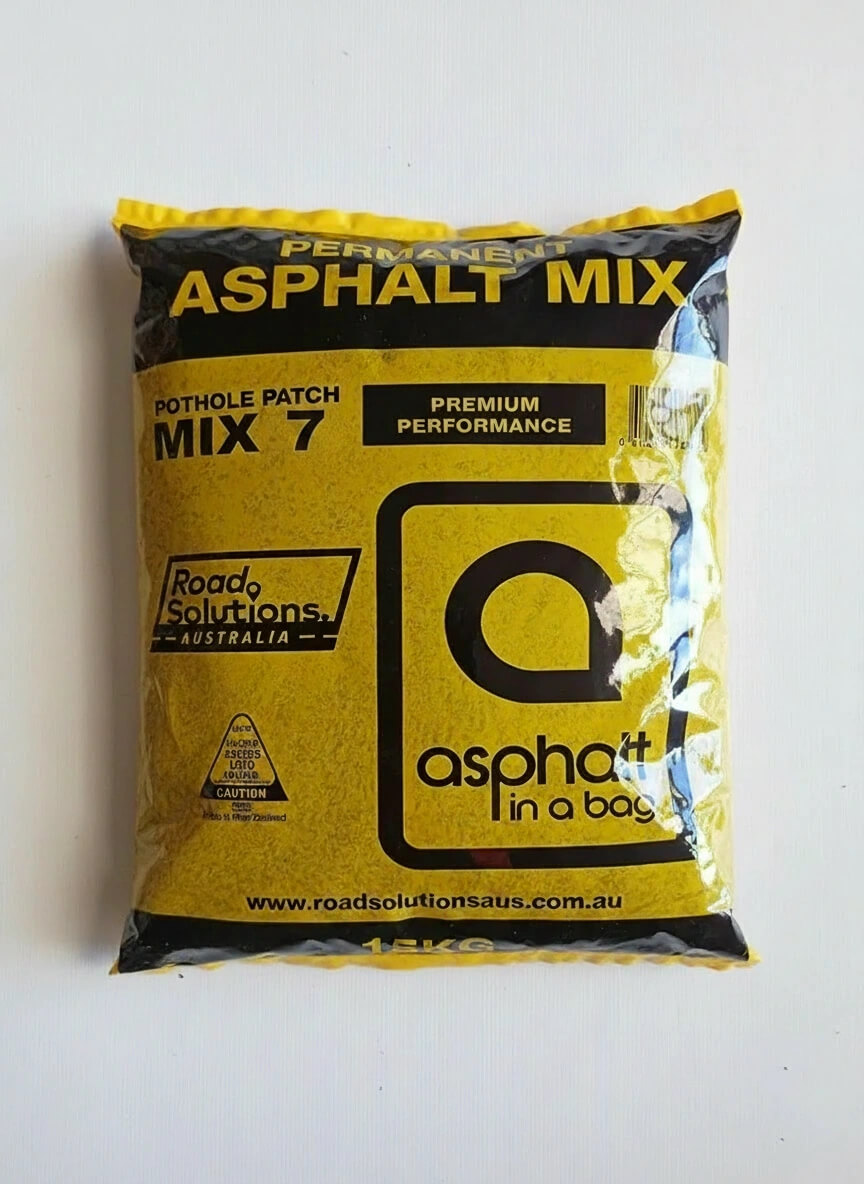
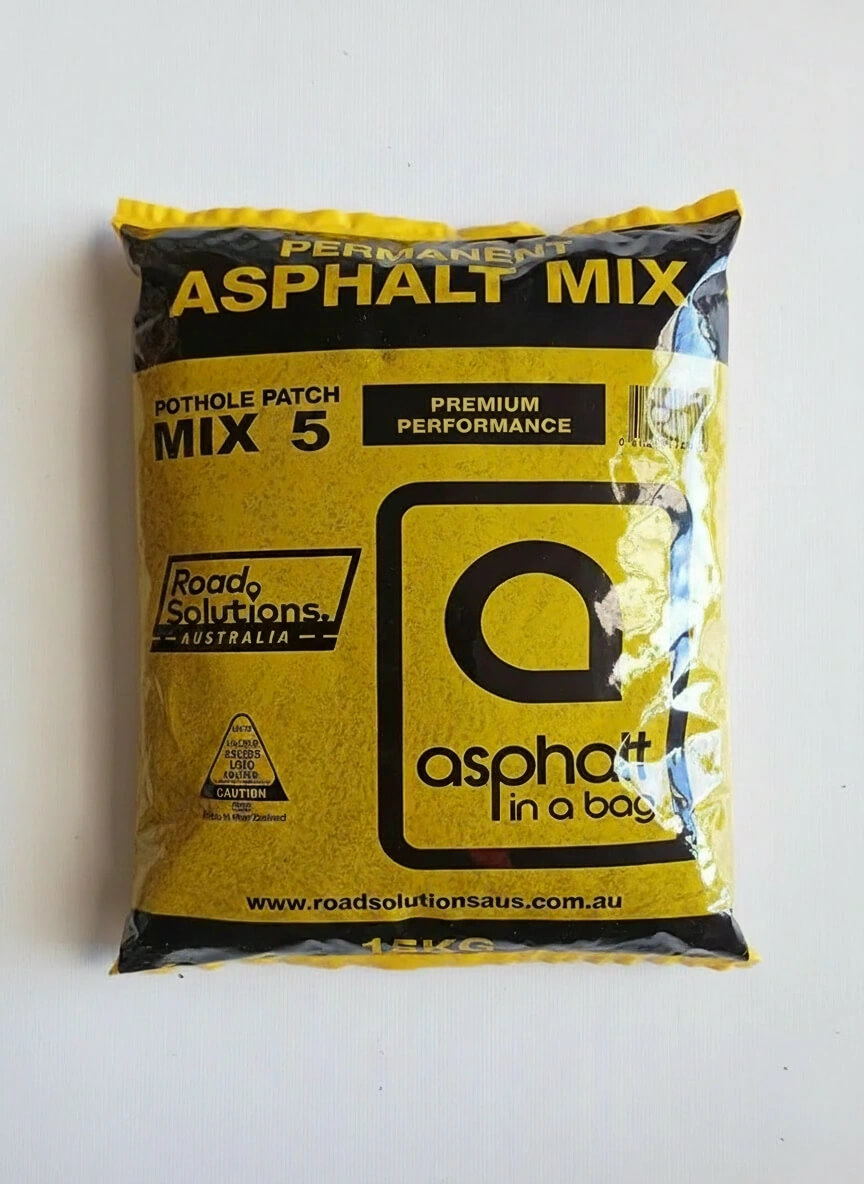
- Polymer-modified cold mix in bags — modern standard, permanent
- Traditional cutback cold mix — older formulation, often temporary
- Tack-coated cold mix — adds tack to the kit, marginal benefit on clean substrates
- Hot mix delivered to site — gold standard for large areas, impractical for small jobs
What to look for
- Polymer-modified binder (SBS, SBR or polyurethane)
- Washed, graded aggregate — multiple gauges available
- Sealed plastic-lined bag
- Stated shelf life of 12 months
- Independent test results or authority specifications
What to avoid
- Bags without listed polymer modification
- Unsealed or paper-bag packaging — short shelf life, dries out
- No data sheet, no MSDS, no aggregate grading
- Suppliers who can't say where the product is tested or used
Comparing performance
| Product type | Workability | Durability | Best for |
|---|---|---|---|
| Polymer cold mix | Excellent, any weather | Permanent | Roads, drives, all repairs |
| Cutback cold mix | Good | Temporary to 1 year | Emergency-only patches |
| Tack-coated mix | Good | Permanent | Smooth substrates |
| Hot mix to site | Excellent if hot | Permanent | Large areas, full crew |
A simple rule
If the product doesn't carry a recognised brand, a polymer specification, an MSDS and an Australian distribution footprint — keep walking.
Products mentioned
Get the materials
Frequently asked questions
Are all bagged cold mixes the same?
No. Polymer modification, aggregate quality and bag seal all vary widely between products. Specify on those three and price differences shrink.
How long can I store an unused bag?
12 months in a sealed bag, kept dry and out of direct sun.
Do I need different products for road and driveway?
Usually not — the same polymer-modified cold mix works for both. Choose the gauge based on hole depth, not surface type.


